

A practical guide to AI features in cinematic video editing apps: shot planning, consistency, color, sound, and a workflow you can repeat.
Cinematic video editing used to be a two-part problem: capture the footage, then shape it. AI has moved into both halves. Generation tools can turn a still frame into a plausible dolly move; editors can match color across mismatched cameras and repair dialogue that once would have forced a re-record. The consequence is not that taste matters less — it is that taste now shows up earlier, in the shot plan and the prompt, rather than only in the timeline.
Below is what actually matters: which AI features change an edit, how they slot into a real post workflow, where they still fail, and how to evaluate tools without spending a month on tests.
What cinematic work actually demands from an edit
Cinematic is not a filter preset. It is a set of decisions: where the camera sits, what lens it implies, how light falls across a face, how long a shot holds, how sound carries a cut. An edit feels cinematic when those decisions stay consistent enough that the audience stops noticing technique and starts following the story. That definition tells you what to expect from AI. Tools are excellent at repeated, describable tasks — matching a color temperature, isolating a voice, generating ten variations of a shot. They are weak at knowing which variation serves the scene.
So the useful question is not which app has the longest feature list. It is which features remove the tedious parts of your workflow while leaving the judgment calls with you. Four hours of rotoscoping is not artistry; it is friction. Four hours of choosing takes is the actual job.
The AI features that genuinely change the edit
Six categories do most of the heavy lifting in a modern cinematic pipeline.
Text-to-video and image-to-video generation
Generation now functions as pre-production as much as production. Describe a shot — a slow push-in on a rain-slicked alley at night, neon reflections, anamorphic flare — and you get back several seconds of usable motion. More controllably, you can supply a still you already like and ask for camera movement, which preserves your composition while adding the dimension you could not afford to shoot. Treat an AI video generator as a coverage machine: fast, cheap, disposable, ideal for exploring blocking and pacing before you commit.
It excels at environments, establishing moves, inserts, and abstract transitions. It struggles with sustained dialogue, hands, complex physical interaction, and prop continuity between shots. Design scenes around those limits rather than hoping they disappear with the next model release.
Multi-image reference for character and scene consistency
Drift used to be the giveaway: the same character wearing a slightly different jacket in every shot, or a room whose window jumps from one wall to another. Reference conditioning fixes most of this. Give the model several angles and lighting conditions of one subject and identity stabilizes across a sequence — hair, build, facial structure, wardrobe. Location plates work the same way for sets.
Build a small visual bible before you generate: two or three references per character, one or two per location, plus notes on light direction and palette. Reuse those exact references for every shot in the scene. Consistency is a documentation problem more than a model problem.
Automated rough cuts, shot detection, and transcript editing
Transcription, scene-change detection, and take flagging — blur, occlusion, silence, clipped audio — now come standard in serious editors. Assembly from a transcript is transformative for interviews and documentary, where hours of footage collapse into a searchable text edit. For narrative work the benefit is narrower but still real: a rough assembly gives you something concrete to react to.
Treat any auto-cut as scaffolding. Its pacing logic is statistical, not dramatic. It does not know that the two-second pause before an answer is the entire point of the scene.
Color matching, relighting, and look transfer
Matching cameras within a scene is among the most thankless jobs in post. AI tools sample a reference frame and push its contrast, saturation, and balance across a sequence, while relighting features can add a virtual key light or shift its direction after the fact. Working inside a standardized color pipeline, such as the Academy ACES framework (https://www.oscars.org/science-technology/aces), keeps those decisions portable between applications and vendors.
Look transfer should be a first pass, never the final grade. Apply it, then check skin tones shot by shot — automated matching routinely over-corrects faces toward the reference frame and flattens the contrast that made the original appealing.
Dialogue repair, stem separation, and adaptive scoring
Voice isolation, de-reverb, plosive removal, and stem separation can rescue a dialogue track from imperfect set audio. On the music side, tools retime cues to a cut, generate scratch scores in a requested mood, and produce quieter or more intense variations of the same theme for different beats.
Keep the hierarchy intact: intelligibility first, then score, then effects. Delivery standards such as loudness normalization, documented by bodies like SMPTE (https://www.smpte.org/), exist for a reason. A mix that only sounds right in your headphones will not survive distribution.
Upscaling, frame interpolation, and stabilization
Archive footage, phone footage, and generated clips can be upscaled, denoised, and interpolated to a higher frame rate. Stabilization with rolling-shutter correction rescues handheld material that would otherwise be unusable, and denoise models handle high-ISO grain far better than the smearing filters of a decade ago.
Interpolation is not a substitute for shooting at the right frame rate. For dramatic work at 24fps, preserve motion blur; aggressive interpolation produces a soap-opera sheen that reads as amateur no matter how sharp the image is.
A repeatable AI-assisted workflow
The teams getting consistent results treat AI as a set of stations along a pipeline, not a single magic button. Here is a sequence that holds up on short films, branded spots, and episodic work alike.
Lock the shot list before you generate
Write the scene in shots: wide, medium, close, insert, transition. Note lens intention, time of day, and the emotional beat each shot carries. Generation is fast enough that people skip this step and end up with forty disconnected clips and no scene to cut.
Generate coverage, not the final film
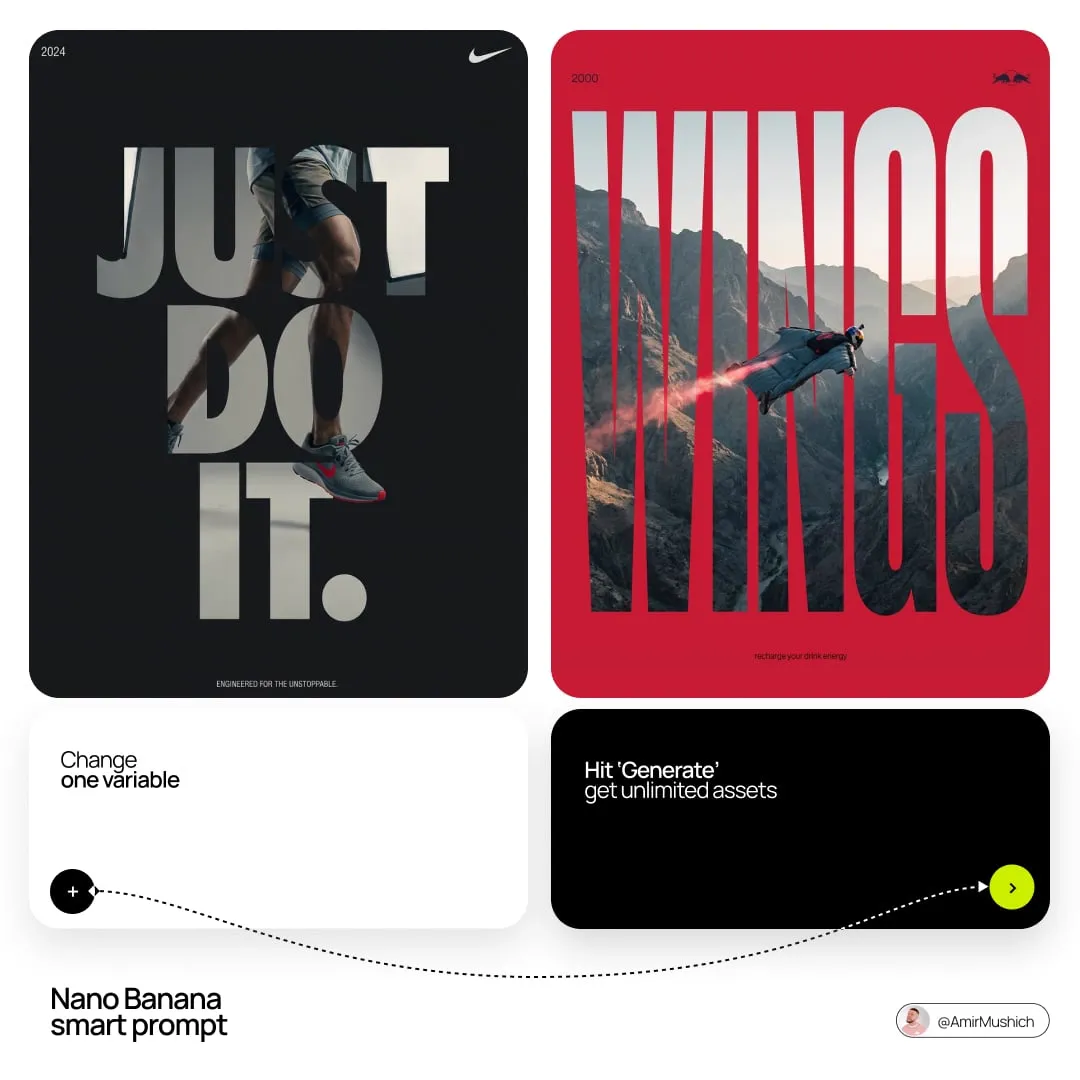
Aim for three to five options per shot, all built from the same reference set. Change one variable at a time — camera movement, then lighting, then performance timing — so you learn what actually caused the improvement. Name and store winners by shot number so the edit stays organized.
Assemble for rhythm
Cut for performance and pacing first. Effects and polish come later, once the scene works without them. Use video templates for repeated formats such as title sequences, episode openers, or social cutdowns so you are not rebuilding structure from scratch every week.
Finish deliberately
Lock picture before color and sound. Grade in one pass in a viewing environment you trust, mix dialogue first, then score, then effects. Finally, verify deliverables: frame rate, aspect ratio, loudness, captioning, and file naming. A technically clean export is part of the craft, not an afterthought.
Prompting for cinematic output
Prompt structure matters more than prompt length. Use a fixed order — subject, action, camera, lens, lighting, palette, motion, duration — and fill each slot deliberately. "A woman in a wool coat walks toward camera, slow dolly in, 50mm, hard key from the left with cool ambient fill, desaturated teal and amber, steady motion, six seconds" gives a model far less room to improvise than a paragraph of adjectives.
Add negative constraints for the things that break immersion: no text overlays, no modern signage in a period scene, no extra limbs, no on-screen watermarks. Then iterate one axis at a time and keep a log of what worked, because small wording changes produce large visual changes. A shared prompt library is worth building once you find phrasing that reliably produces your look.
Learn a small vocabulary of cinematography terms and use them literally: key light, practicals, negative fill, motivated movement, rack focus, handheld drift. Models respond better to craft language than to mood language, and the resulting shots need less correction later.
Where AI still falls short
Long-take temporal coherence remains the big one. Models hold identity and lighting for a few seconds; extend that and props migrate, backgrounds shift, and physics quietly break. Lip sync in generated dialogue is improving but still fragile, which is why many filmmakers generate the world and photograph the actors.
Rights and consent are the other frontier. Likeness, voice cloning, and training data all carry legal weight, and the practical rule is simple: if you would need written permission to film it, get the equivalent permission to generate it. Keep records of what you used and where.
Output can also look overcooked. Too much micro-detail, glassy skin, hyper-saturated skies, and a slightly plastic quality appear when every frame is pushed to maximum sharpness. Part of the skill is knowing when to soften, grain, and underexpose.
Finally, models change. A prompt that produced a perfect result last month may drift after an update, so keep reference images and project files stable rather than relying on prompt history alone.
Choosing a tool: decision criteria
Feature lists are a poor basis for comparison. Weigh these instead.
- Generation quality on the shots you actually make, not showcase reels.
- Control levers: seeds, reference images, camera parameters, duration, aspect ratio.
- Integration with your editor — round-trip, alpha channels, LUT support, timeline interchange, consistent frame rates.
- Consistency tooling: multi-reference conditioning, style locking, reusable character assets.
- Audio capability: voice isolation, stem export, timing to picture.
- Delivery specs: resolution, codec, watermark policy, and commercial usage terms.
- Cost predictability: whether spend scales with experimentation or with finished minutes.
- Collaboration: review links, versioning, and shared asset libraries.
If you are comparing platforms, side-by-side breakdowns such as Orelon vs Runway or broader AI video generator alternatives help you map where each tool fits rather than treating them as direct substitutes.
Mistakes that flatten a cinematic look
- Generating before writing. Footage without a scene is a mood board, not a film.
- Over-generating. Fifty clips per shot creates decision paralysis; five creates options.
- Accepting the first result. The second or third variation is usually where the usable take lives.
- Grading before locking picture. You will regrade, twice.
- Ignoring sound. Weak audio reads as amateur faster than soft focus ever will.
- Mixing frame rates and aspect ratios mid-project. Fix the format before the first cut, not after.
- Using every effect available. Restraint is what separates a look from a filter stack.
FAQ
Do I still need a traditional editor if I use AI video tools? Yes. Generation produces material; editing produces meaning. NLEs handle timing, sound, color, and delivery with far more control than any single generator offers, and the round trip between them is where most polished work happens.
How many reference images do I need for a consistent character? Two or three clear angles with neutral lighting usually suffice to stabilize identity. Add one with the character in motion and one in the scene's dominant light so the model understands how the face behaves under that setup.
Can AI handle a feature-length project? Not as an automatic process. It can accelerate previsualization, coverage for effects-heavy shots, rough assembly, and audio cleanup. Structure, performance, and pacing still come from human decisions made shot by shot.
Why do my generated shots look impressive alone but weak in a cut? Usually because they share no visual logic. Align lens length, light direction, contrast, and palette across a scene, and the same clips will feel like they belong to one story instead of a demo reel.
How do I keep costs sane while experimenting? Previsualize with stills before generating motion, lock your shot list early, and generate in batches per scene rather than jumping between ideas. Iterating on one variable at a time also cuts the number of generations you throw away.
Make the next scene with Orelon
Cinematic results come from a short list of disciplined habits: plan shots, build references, generate coverage, cut for rhythm, finish with intent. Orelon is built as an AI video generator for cinematic ideas in motion, so you can move from a written shot to a moving frame, refine it with references, and carry it into an edit that actually tells a story. Start with a single scene at orelon.ai and see how far the workflow takes you.