
Compare text-to-video, image-to-video, and editing features, then pick the best AI video generator for your workflow and budget.
Choosing an AI video generator is not a beauty contest between model names. It is a production decision. The tool that makes the most impressive three-second demo clip may be the wrong choice for a team that needs twenty consistent shots, clean audio, and a deadline that does not move. The real question is narrower and more useful: which generator matches the way you actually plan, iterate, and finish footage?
This guide breaks that question into parts you can evaluate in an afternoon. You will learn how to score tools on the dimensions that predict real output quality, which generation modes suit which jobs, how to run a workflow that keeps you out of endless re-rolling, and how to avoid the spending traps that catch new users.
Start With the Decision, Not the Model
Most comparisons begin with a list of platforms and end with a vague ranking. That order is backwards. Models change their underlying engines, update their rendering pipelines, and shift what they do best roughly every few months. Your requirements change far more slowly.
So begin with three questions about your own project:
- What is the final deliverable? A vertical social clip, a 30-second product ad, a 2-minute explainer, and a previsualization sequence for a film all demand different things from a generator.
- How many shots do you need, and do they need to match? A single hero shot tolerates randomness. A six-shot narrative needs character consistency, lighting continuity, and a repeatable look.
- Who touches the output after generation? If you hand files to an editor, export flexibility matters more than built-in editing. If you publish straight from the browser, finishing tools matter a great deal.
Answer those honestly, and most candidate tools eliminate themselves before you open a single pricing page. The ones that survive are the ones worth testing.
What "Best" Means for Your Specific Project
"Best" is not a property of a platform. It is a relationship between a platform and a job. Four dimensions cover almost everything that matters.
Output fidelity versus narrative control
Some engines produce gorgeous texture and lighting but drift on subject identity and action. Others are less glossy but follow direction precisely. If your script says a character picks up a red mug with their left hand on the second beat, follow-through matters more than film grain. If you are generating abstract background plates, fidelity is the priority.
Iteration speed
How long does one run take, and how fast can you adjust a prompt and try again? A tool that takes minutes per attempt forces you to think harder before generating, which is fine for planned shots and painful for exploration. A tool that returns drafts quickly lets you wander productively. The right answer depends on whether you are in discovery or execution.
Consistency across shots
This is the quiet killer of AI video projects. A single clip can look spectacular and still be useless if the character's jacket changes color in the next shot. Look for reference-image support, seed control, subject locking, and any feature that carries a look from one generation to the next.
Cost per usable second
Do not compare headline prices. Compare how many attempts it takes you to get a shot you would actually keep, multiplied by the cost of each attempt. A cheaper engine that needs fifteen tries is more expensive than a premium one that lands in four. Track this for a week and you will know more than any review can tell you.
The Four Generation Modes and When Each One Wins
Modern generators are not one trick. They are four related capabilities, and strong platforms cover several.
Text-to-video
You describe a scene and the engine builds motion from nothing. This is the most flexible mode and the hardest to control. It shines for concept exploration, mood boards, abstract transitions, and any shot where atmosphere matters more than a specific action beat.
Text-to-video rewards descriptive writing. A prompt like "a lighthouse keeper climbs a spiral staircase at dusk" gives the model subject, action, setting, and light. A prompt like "epic ocean scene" gives it almost nothing and you will get a different film every run.
Image-to-video
You start from a still and ask the engine to animate it. This is the workhorse of practical production because it solves the consistency problem before generation begins. If your hero image is correct, the animated result inherits the character, wardrobe, color palette, and composition.
Use it for:
- Product shots where the item must look identical across a campaign
- Character-driven sequences that need a locked appearance
- Animating still photography, illustration, or a single strong frame
- Turning storyboard panels into moving previsualization
A useful habit is to develop the still first in an AI image generator, then animate it. You get two rounds of control instead of one.
Video-to-video and style transfer
Here the generator treats existing footage as raw material. It can restyle a live-action clip into animation, change the time of day, adjust the grade, or apply a consistent visual language across mixed source material. This mode is invaluable for brand consistency: capture once, then produce several looks from the same footage.
Be realistic about limits. Heavy transformations can introduce warping, especially around hands, faces, and fast motion. Test on a short excerpt before committing to a full sequence.
Hybrid pipelines
In practice, the strongest results come from mixing modes. A typical pipeline: generate a still, animate it with a short motion prompt, use video-to-video to unify the grade across the sequence, then assemble with transitions and sound. Platforms that let you move between these modes without exporting and re-uploading save real time.
The Feature Checklist That Actually Predicts Good Results
Marketing pages list dozens of features. Most do not change your outcome. These six do.
Generation engine depth
Look for how the platform handles motion physics, camera moves, and temporal coherence. Watch sample clips closely: do objects deform when the camera pans? Do limbs bend naturally? Does the frame stay stable, or does detail crawl? A short examples library is often more informative than a feature table.
Customization and shot control
Can you specify camera movement, lens character, aspect ratio, duration, and motion strength? Can you lock a seed and change one variable at a time? Granular control is what separates a tool you can direct from a slot machine you hope to win.
Image editing and character consistency
Inpainting, outpainting, background replacement, and reference-based generation all reduce the number of re-rolls. If you are building any narrative content, treat consistency features as mandatory rather than nice-to-have.
Audio and sound design
Silent clips are rarely finished clips. Look at whether the platform generates ambient sound, voice, or music, and whether you can time cuts to audio beats. Even basic sound support changes how you plan a sequence.
Interface and workflow efficiency
Count the clicks between an idea and an export. A drag-and-drop timeline, saved presets, and a template library can cut minutes per shot, which compounds across a project. Also check export formats and resolutions, since a beautiful render you cannot deliver is worth nothing.
Collaboration and asset management
For teams, version history, shared libraries, and clear naming matter more than any single-generation feature. Being able to find last week's approved character and reuse it is a competitive advantage.
From Idea to Finished Clip: A Practical Workflow
Here is a sequence that works for almost any short-form project, regardless of platform.
Step 1: Write the beats before you write the prompts
List the shots in plain language. For a 30-second product piece: establishing shot, problem moment, product reveal, detail macro, use case, closing logo beat. Six beats, six shots. Now you know exactly how many generations you need and where consistency is critical.
Step 2: Look development before motion
Generate stills for every beat. Compare them side by side as a contact sheet. This is where you fix composition, wardrobe, palette, and framing. Doing this in stills is dramatically cheaper and faster than discovering a problem after animation.
Step 3: Animate with restrained prompts
When you animate a still, describe only what should move: "slow push in, hair moves gently, steam rises." Overloading an image-to-video prompt with new content invites the engine to fight itself.
Step 4: Generate in passes, not in one shot
Expect the first batch to be exploratory. Generate several variations of your hardest shot first, while you still have energy and budget. Easy shots can be produced quickly afterward.
Step 5: Unify the look
Once the shots exist, apply a grade or a video-to-video style pass so the sequence feels like one film rather than six unrelated clips. Matching black levels and color temperature does more for perceived quality than another render attempt.
Step 6: Assemble and finish
Cut on the beat, keep shots slightly longer than feels natural for vertical feeds, and add sound. If a shot only works at 2 seconds, cut it to 2 seconds instead of trying to fix the tail. Editing hides a surprising number of generation flaws.
Prompting Patterns That Raise Output Quality
Prompt style matters as much as the tool. These patterns hold across platforms.
Structure: subject, action, camera, light
Write in that order and you cover the four things engines weigh most. "A cyclist (subject) coasts downhill (action), tracking shot from behind (camera), golden hour backlight (light)." Add mood and texture last, if at all.
Say what you do not want
If a platform supports negative prompts, use them for recurring artifacts: extra fingers, text overlays, lens flares, jitter. Keeping a short personal list of "never again" terms saves repeated disappointment.
Iterate with variables, not rewrites
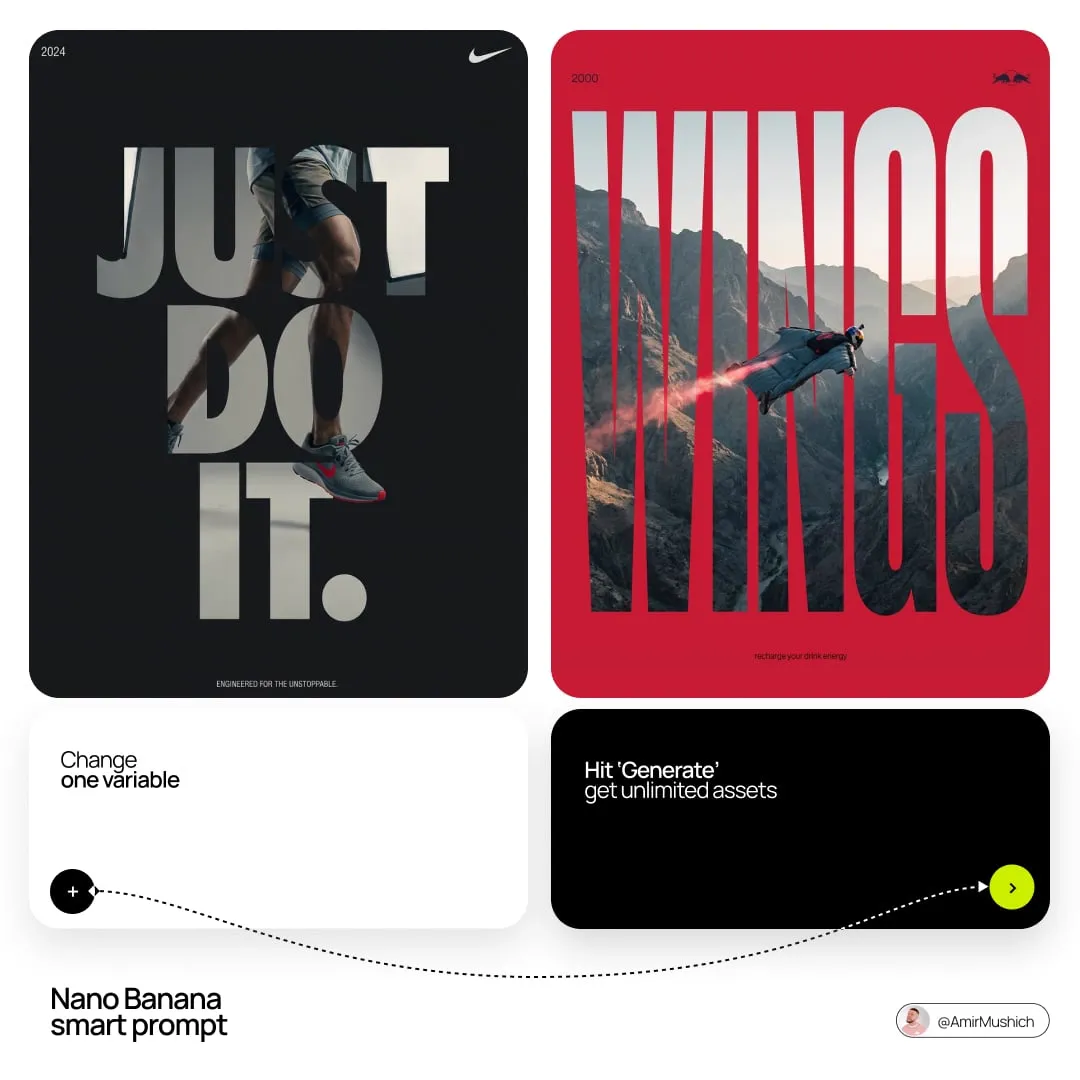
Change one element per run. If you rewrite the whole prompt, you cannot tell which change helped. Keep a simple log: prompt, seed, settings, verdict. After twenty entries you will have a personal playbook that outperforms generic advice. A curated prompt library can seed that log faster.
Keep motion language modest
"Slow dolly in" behaves better than "cinematic epic camera movement." Engines interpret restrained motion instructions more reliably, and gentle motion also hides small inconsistencies.
Budget, Speed, and the Mistakes That Waste Both
Cost control in AI video is mostly about reducing wasted attempts.
Compare pricing models on your own terms
Subscriptions suit steady weekly production; usage-based plans suit bursty projects; free tiers are for evaluation, not delivery. Before committing, calculate cost per finished second for your actual workflow. If you are weighing platforms, a side-by-side look such as Orelon vs Runway helps frame the tradeoffs, and a broader alternatives overview shows what each tool optimizes for.
Six mistakes that cost the most
- Generating before planning. Prompting without a shot list produces footage you cannot cut together.
- Chasing one perfect clip for hours. Three good-enough shots beat one flawless shot that breaks the sequence.
- Ignoring consistency tools. Rebuilding a character every run is the single largest hidden cost.
- Overloading prompts. Too many instructions produce muddy, average results.
- Skipping audio planning. Sound changes pacing decisions and should be considered during the edit, not after.
- Never reviewing your own log. Without tracking what worked, you repeat the same failed prompts.
Watch the resolution and duration tradeoff
Higher resolution and longer duration both increase render time and cost. For social feeds, a well-composed shorter clip usually outperforms a long, high-resolution one. Match the spec to the destination.
Matching the Tool to the Job
Different projects reward different strengths. Use these pairings as a starting filter.
- Vertical social clips: speed and template variety. You need many outputs, fast, in 9:16. Prioritize quick drafts and easy captioning.
- Product marketing: image-to-video with locked product references, plus clean macro detail shots. Consistency beats spectacle.
- Explainers and training: text-to-video for abstract concepts, plus stable motion and readable pacing. Predictability wins.
- Previsualization and storyboards: image-to-video from panels, fast iteration, and exportable clips an editor can cut against temp audio.
- Film and game concept work: atmosphere, camera language, and unusual framing. Fidelity and mood matter more than narrative clarity.
- Brand campaigns: video-to-video for consistent grading across live-action footage, plus a shared asset library for the team.
If a tool is excellent in three of these and mediocre in one, that is a strong signal, not a weakness. No single engine currently leads every category, and the ones that claim to usually specialize in one and generalize in the rest.
FAQ
How do I test a generator quickly without wasting budget?
Pick your single hardest shot instead of an easy one. Generate three variations, then judge: did it follow the action, hold subject identity, and stay temporally stable? If a tool handles your hardest shot reasonably, everything else is easier. Give each candidate the same prompt for a fair comparison.
Is text-to-video or image-to-video better for beginners?
Image-to-video is usually more forgiving because the still fixes composition and identity. Text-to-video is better for exploration and ideas you cannot picture yet. Many creators use both: text-to-video for discovery, image-to-video for production.
Why does my character look different in every clip?
Because most engines treat each generation as a fresh problem unless you give them continuity anchors. Use reference images, lock a seed where possible, keep wardrobe and lighting descriptions identical, and generate multiple shots in one session with the same setup.
How long should an AI-generated shot be?
Shorter than you think. Two to four seconds is a comfortable range for most generated motion, and longer clips tend to drift. If your edit needs eight seconds, consider two connected shots instead of one long generation.
Do I still need editing software?
Often, yes, for color, sound, and pacing. Some platforms let you finish inside the browser, which is enough for fast social output. For anything client-facing, plan to do a final pass in an editor so you control loudness, captions, and delivery specs.
How do I keep costs predictable?
Set a per-project attempt limit, generate in batches, and stop when a shot is good enough rather than when it is perfect. Track attempts per finished shot, and review that number monthly. It is the most reliable cost lever you have.
Bring Your Cinematic Ideas to Motion
The best AI video generator is the one that fits your project's constraints: the mode it needs, the consistency it demands, and the number of attempts you can afford. Once you know your shot list, your consistency requirements, and your delivery format, the choice becomes much less mystical. Test your hardest shot first, keep a prompt log, and let results rather than marketing pages make the decision.
Orelon is built for that kind of practical work, combining text-to-video, image-to-video, and finishing tools in one place. Start with a still in the AI image generator, animate it in the AI video generator, and explore video templates when you want a faster starting point. For broader comparisons, the Orelon blog covers workflow and tooling in more depth, and Orelon pricing shows what steady production actually costs.
Your ideas already have the shot list in your head. Give them motion.