Find the best AI image generator for your next campaign. Explore Nano Banana 2.1, GPT Image 2.5, Seedream, and Qwen for product photos, ads, and social posts.
A product launch rarely needs just one image. You need a product photo, a social post, a website banner, and perhaps a poster. The difficult part is making them look like they belong to the same campaign while keeping the product recognizable.
Nano Banana 2.1 is our first pick for a campaign that needs several image formats, especially wide banners alongside square and portrait graphics. GPT Image 2.5 Flare is another useful starting point for everyday variations, while Sunburst is worth considering for detailed final edits. Seedream 5.0 Pro and Qwen Image 3.0 round out the shortlist for layouts and lower-cost concept work.
This guide covers five image models available in Orelon. The recommendations draw on official documentation and the available generator settings, rather than a hands-on ranking of the entire market. Updated October 7, 2026.
The shortlist at a glance
Choose by the job you need to finish. A model that works well for an exploratory social graphic may not be the right starting point for a product label that must stay unchanged.
| Model | Our suggested starting use | Output options in Orelon | Credits per image |
|---|---|---|---|
| Nano Banana 2.1 | Campaigns with several formats, including very wide banners | 1K, 2K, 4K | 6 / 10 / 15 |
| GPT Image 2.5 Flare | Everyday social graphics and creative variations | 1K, 2K, 4K | 8 / 12 / 18 |
| GPT Image 2.5 Sunburst | Detailed product and campaign edits | 1K, 2K, 4K | 8 / 12 / 18 |
| Seedream 5.0 Pro | Posters and information-led layouts | Basic 1K, High 2K | 5 / 7 |
| Qwen Image 3.0 | Early concepts on a smaller generation budget | 1K, 2K | 5 at either resolution |
These are Orelon credits, not the vendors’ API prices. Figures are for one image in the current configuration; batches cost more. Model access and credit balance are separate requirements, so check the selected model and charge before generating.
Best AI image generators for marketing: tools compared
1. Nano Banana 2.1 — our first pick for campaigns with several formats
Imagine promoting the same coffee bag in three places: a square social post, a vertical story, and a long website banner. Each image needs a different composition, but the packaging and visual direction should remain familiar. That is the kind of brief we would start with Nano Banana 2.1.
Google released Nano Banana 2.1 on October 6, 2026, as an update to Nano Banana 2. Its documentation describes improvements in visual quality, instruction following, text rendering, and subject consistency across edits. It also addresses tiling artifacts in extreme panoramic images at 2K and 4K. Sources: Google’s release notes, Nano Banana 2.1 documentation.
The practical attraction in Orelon is the choice of canvas. Alongside familiar square and portrait formats, you can select 4:1, 1:4, 8:1, and 1:8. A narrow banner can be composed for its destination from the start, with room for a headline beside the product.
For example, describe where the product should sit, which side needs empty space, and what must remain unchanged from your reference photo. “Place the coffee bag in the right third, leave the left half uncluttered, and preserve the label” gives the model a usable composition brief.
Orelon currently accepts up to 10 reference images for Nano Banana 2.1 and offers 1K, 2K, and 4K output. Start at 1K while deciding on the composition; request a larger version once the direction is settled. Inspect the new result again, since another generation can change details.
The limitation to keep in mind is text. Google still lists small lettering and long passages among the model’s weaknesses. Short headlines are a more practical starting point than dense terms, ingredient lists, or a full page of copy. Source: Google DeepMind’s Nano Banana 2.1 model card.
Create a campaign image with Nano Banana 2.1.
2. GPT Image 2.5 Flare — a starting point for everyday social variations
When you need several visual directions for the same post, consider Flare. You might keep the subject fixed and explore a different background, lighting treatment, or mood before choosing one for the campaign.
OpenAI positions GPT Image 2.5 Flare as the faster everyday option in its 2.5 family. The release emphasizes reference-photo fidelity and more precise editing, both relevant when a variation should still look like your original subject. Source: OpenAI’s Images 2.5 announcement.
Give each variation a clear purpose. One might use a plain studio background; another could show the product in a believable everyday setting. Changing the background, palette, camera angle, and subject all at once makes it harder to see which choice improved the image.
Flare offers 1K, 2K, and 4K options in Orelon, with up to 16 reference-image uploads. Its 1K charge is 8 credits per image. The extreme 8:1 and 1:8 formats offered by Nano Banana 2.1 are not available in Flare’s current Orelon settings.
Try GPT Image 2.5 Flare for your next social graphic.
3. GPT Image 2.5 Sunburst — an option for detailed final edits
A concept image can tolerate some variation. A final product ad often cannot. If a background edit changes the bottle shape or rewrites the label, the asset may be unusable even when the overall image looks attractive.
GPT Image 2.5 Sunburst is the quality-focused option in OpenAI’s 2.5 family. OpenAI recommends it for demanding creative work and tighter control across edits, with longer generation times than Flare. That makes it a candidate for the stage where preserving specific details matters more than exploring many directions. Source: OpenAI’s Images 2.5 announcement.
Use a narrow editing brief: change the background, remove a prop, or adjust the lighting while naming the details that must stay. Then compare the output with the original at full size, especially around lettering, edges, and reflections.
Orelon currently charges Sunburst the same credits per resolution as Flare: 8 at 1K, 12 at 2K, and 18 at 4K. Sunburst has premium access requirements. Equal credit charges do not mean equal waiting times or identical results.
Open GPT Image 2.5 Sunburst for a detailed edit.
4. Seedream 5.0 Pro — worth trying for posters and information-led layouts
A poster has to do more than look appealing. It needs a clear reading order: headline first, supporting information next, and a visual that helps explain the message.
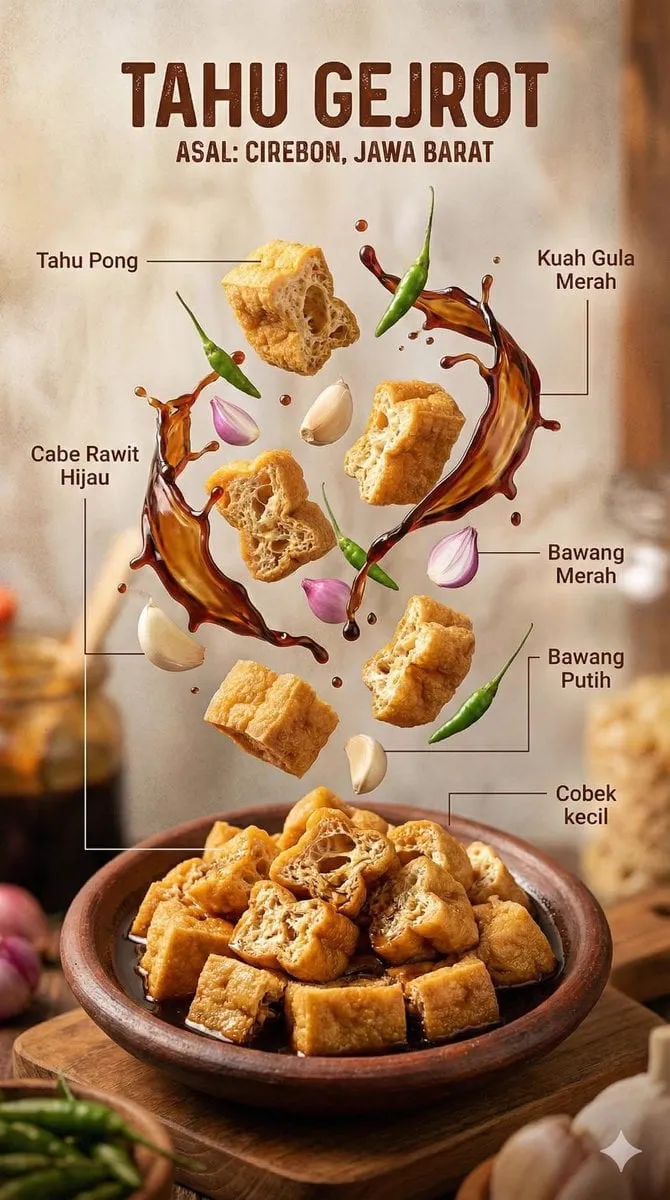
ByteDance’s Seedream 5.0 Pro presentation puts substantial emphasis on information organization, text-rich graphics, and multilingual design. That makes it worth including when your brief is closer to a poster or an explanatory graphic than a single photograph. Source: ByteDance’s Seedream 5.0 Pro overview.
Try describing the hierarchy before the visual style. For an event poster, specify one large headline, one short date line, and one supporting illustration. For a product explainer, give it the exact points to include and the order in which someone should read them.
In Orelon, Seedream 5.0 Pro uses Basic and High settings, corresponding to 1K and 2K output through the current integration. They cost 5 and 7 credits per image. This option does not offer a 4K setting here.
Keep the content manageable. An attractive infographic still needs its numbers, wording, and relationships checked before it becomes a published marketing asset.
Try Seedream 5.0 Pro for a poster or visual explainer.
5. Qwen Image 3.0 — a useful option for lower-cost concept drafts
Early in a campaign, you may only need to answer a basic question: should the image feel like a studio photograph, an illustration, or a scene from everyday life? Spending more on every exploratory draft may not help you decide.
Qwen Image 3.0 costs 5 credits per image at either 1K or 2K in Orelon. That makes it a useful candidate for trying several concepts before committing to a direction. Alibaba documents text-based generation and reference-image editing in the Qwen image family. Source: Alibaba Cloud’s Qwen image documentation.
The current Orelon configuration also offers negative prompts and an optional prompt-enhancement control. If a draft keeps adding unwanted props or decorative text, those are settings you can explore alongside a clearer brief.
There are practical limits: Orelon’s Qwen Image 3.0 option accepts up to three reference images and prompts of up to 800 characters. Keep the instruction focused. It is a less convenient choice when the job requires many reference photos or a long list of preservation rules.
Explore a campaign concept with Qwen Image 3.0.
How to choose without trying every model
Start with the requirement that would make an image unusable if it went wrong.
For a website banner, that might be the composition. A product needs to fit the available space without colliding with the headline. Nano Banana 2.1 is our starting recommendation when the destination calls for an unusually wide canvas.
For a product ad, it may be fidelity. Upload a real product photo and check the packaging after each edit. Sunburst and Nano Banana 2.1 are both candidates worth comparing on that specific task.
For a poster, the deciding factor may be the information hierarchy. Give Seedream 5.0 Pro a concise layout brief, or try Nano Banana 2.1 with the same wording. Read the result as a customer would: can you find the headline and essential details immediately?
For an exploratory mood board, cost per attempt matters more. Qwen Image 3.0 and Seedream’s Basic setting offer 5-credit starting points among this shortlist. Once you know the direction, you can decide whether another model earns its higher cost.
Budget for usable images, too. Ten inexpensive drafts that all need replacing may cost more than a smaller set that meets the brief. Keep a simple record of how many attempts produce something you would actually publish.
A simple Nano Banana 2.1 campaign workflow
To introduce the new model into an existing workflow, start with one product and three placements. Here is an example using a fictional coffee brand.
First, upload the product reference and make a square image. An original starting prompt could be:
Create a square campaign image using the uploaded coffee bag. Place it on a warm cream studio background with soft morning light and a subtle contact shadow. Preserve the bag shape, label wording, label colors, and proportions. Leave some empty space above the product. Add no props or new text.
Check the product before making variations. If the label is wrong, resolve that first; otherwise the mistake can carry into the rest of the campaign.
Next, create a portrait version with the same palette and lighting. Describe where the product should sit in the taller frame rather than asking the model simply to “make it vertical.” Keep the reference photo attached.
For the website banner, choose a wide aspect ratio in the generator and request a new composition: product on the right, quiet space on the left for your headline. Add the final headline in your normal design tool if you need exact editable typography.
Review all three images together. The product, lighting, and palette should feel related, even though the framing changes. This is a suggested workflow; the prompt above has not been used to generate a published example for this guide.
Start your first campaign image with Nano Banana 2.1.
How we chose these recommendations
We looked for useful differences in the work a marketing team needs to finish: creating from a brief, editing a reference, arranging text and images, choosing a suitable canvas, and controlling generation costs.
Official documentation informed the model descriptions. The output options, upload limits, and credits come from Orelon’s current configuration, which may expose fewer controls than a vendor’s own API. We have not assigned test scores or claimed that one model consistently outperforms the others. The “best for” choices are editorial starting points for the tasks described.
Frequently asked questions
What is the best AI image generator for marketing?
For a campaign that needs several formats, Nano Banana 2.1 is our first pick from this shortlist because Orelon combines reference-image editing, 1K to 4K options, and extreme wide or tall canvases. For a narrower task, choose by the requirement: everyday variations, detailed edits, poster layouts, or lower-cost concepts.
What is Nano Banana 2.1?
Nano Banana 2.1 is Google’s October 2026 update to Nano Banana 2 for image generation and editing. Google describes improvements in visual quality, instruction following, text, and consistency through edits. Its Gemini API model name is gemini-nano-banana-2.1. Source: Google’s model documentation.
Can I use my own product photo?
Yes. All five models in this shortlist have reference-image editing options in Orelon. Upload your product photo and describe both the change and the details to preserve. The current upload limit is 10 images for Nano Banana 2.1, 16 for each GPT Image 2.5 model, 10 for Seedream 5.0 Pro, and 3 for Qwen Image 3.0.
Which AI image generator should I try for a poster with text?
Nano Banana 2.1 and Seedream 5.0 Pro are reasonable starting points based on their documented text and layout capabilities. Supply the exact wording and a clear hierarchy. Proofread the generated image; for small copy or text you need to revise later, use your design tool to add the final typography.
How many credits does Nano Banana 2.1 use on Orelon?
Nano Banana 2.1 is a premium model in Orelon and uses generation credits. The current single-image charges are 6 credits at 1K, 10 at 2K, and 15 at 4K. Check your account’s access and the charge shown in the generator before submitting.
Which models offer 4K output here?
Orelon currently offers 4K settings for Nano Banana 2.1, GPT Image 2.5 Flare, and GPT Image 2.5 Sunburst. Seedream 5.0 Pro and Qwen Image 3.0 offer up to 2K through the current integrations. Choose the output for the placement you need, and inspect the result at its intended display size.