
A repeatable AI workflow for TikTok-style clips: hooks, shot plans, prompts, generation modes, editing, quality checks, and a sustainable publishing rhythm.
Short-form video rewards speed, but not the kind of speed that produces careless work. The creators who publish consistently are not generating more clips — they are making fewer decisions per clip, because most of those decisions were made in advance. AI video generation is genuinely useful here, but only when it sits inside a repeatable pipeline instead of being pressed like a novelty button.
What follows is a practical, tool-agnostic workflow for TikTok-style vertical video: locking the idea, writing a hook, planning shots, prompting clips that survive a fast edit, choosing the right generation mode, assembling with sound, and checking the result before publishing. Orelon is built around cinematic, idea-first generation, and the pipeline below scales from a single clip to a full content calendar.
Why a Workflow Beats a Single Tool
Every few weeks a new model produces a demo that looks like a feature film, and the temptation is to rebuild the entire process around it. That is usually a mistake. The useful question is not which generator wins in the abstract, but what your Tuesday afternoon looks like when you need three clips and have forty minutes.
A workflow beats a model for three reasons. Consistency: the same structure produces predictable output even when the underlying model changes. Diagnosability: when a clip fails, you know which stage failed — the hook, the shot plan, the prompt, or the edit — instead of blaming the tool. Compounding: saved prompts, reusable hook formats, and templates get more valuable every week, while model rankings change every quarter.
Treat the generator as one station on an assembly line. The line is the asset. A creator with an average model and a sharp process will out-publish a creator with the best model and no process, every single month.
Lock the Idea and the Hook First
Most failed short-form videos are not badly made; they are badly framed. The first two seconds decide whether anything else matters, so write them before you write a single prompt.
A working hook does three things: it names a specific audience or situation, it promises a concrete payoff, and it creates a small unresolved tension. "Three ways to light a night scene" is a topic. "Your night scenes look flat because of one lighting choice" is a hook. The difference is not cleverness — it is specificity plus a promise.
Hook formats that survive a fast scroll
- The correction: "You were told X. It is quietly costing you Y."
- The reveal: "This is what happens when you push Z to the limit."
- The comparison: "Same idea, two very different results."
- The process: "Watch a single concept become a finished shot."
- The constraint: "One location, one lens, thirty seconds."
- The before and after: "This shot took four attempts. Here is what changed."
Write five hooks for every video you plan. Pick two, then pick the one you can actually deliver with the footage you are able to generate. A hook you cannot pay off is a retention trap, and no amount of editing rescues it.
Also write the idea as a single sentence before anything else: "A lone courier crosses a flooded city to deliver one last package." If you cannot compress the video into one sentence, the video is really three videos wearing a trench coat. Split it, save the extras for next week, and move on.
Turn the Hook Into a Shot Plan
AI generation rewards specificity, and a shot plan is how you manufacture it. Before opening a generator, write the video as a sequence of shots with durations that add up to your target length.
For a 22-second vertical video, this skeleton works in almost every niche:
- Hook shot — 2 seconds, one subject, strong motion or contrast.
- Context shot — 4 seconds, establishes place or problem.
- Development shots — three clips of 3 to 4 seconds each, escalating detail.
- Payoff shot — 3 seconds, the clearest visual statement of the idea.
- End card — 2 seconds, text or logo with a single next action.
Two rules make the list useful. First, every shot must be describable in one sentence; if it takes three sentences, split it. Second, every shot must be generatable as a standalone still frame, because a strong frame is the most reliable way to control a moving shot.
Write the plan as a table you reuse
The columns that matter: shot number, duration, what changes on screen, camera behavior, sound cue, and any on-screen text. Filling this in takes four minutes and saves twenty. When a clip comes back wrong, you can compare the plan against the prompt and see exactly where your intent leaked out.
A worked example
Say the idea is "a bakery opening at 4 a.m." The plan might read: hook — hands switching on a light in darkness; context — empty street, steam from a vent; development — dough being folded, ovens glowing, first customer at the door; payoff — a tray of bread landing on the counter in warm light; end card — the shop name and opening hours. Six shots, one location, one idea, no dialogue required. That plan can be generated in a single session and edited in fifteen minutes.
Match shot length to information density
In vertical short-form, a shot can be short and still feel slow if nothing changes inside it. A three-second shot where a subject turns, a light shifts, or an object enters frame feels faster than a two-second static shot. Cut on change, not on a stopwatch. If two consecutive shots contain the same information, delete one and shorten the video.
Write Shot Prompts That Hold Together
Prompting for video is different from prompting for stills. Motion introduces problems that stills never have: subjects drift, proportions shift, camera moves fight the subject, and lighting changes mid-shot. Good video prompts are structured, not poetic.
The anatomy of a shot prompt
A reliable prompt has six parts, roughly in this order:
- Subject and action: who or what, doing exactly what.
- Environment: location, time of day, weather, atmosphere.
- Camera: framing and movement — static wide, slow push in, handheld tracking.
- Lighting: source, direction, quality.
- Style and texture: film stock, lens character, color palette, grain.
- Constraints: what must not happen — no text overlays, no extra limbs, no scene cuts.
Here is the contrast. Weak: "A man walking through a city at night, cinematic." Strong: "A single man in a wet grey coat walks toward camera along an empty rain-slicked street, neon reflections on the pavement, slow handheld tracking shot at chest height, sodium and cyan practical light, shallow depth of field, 35mm film grain, no other people in frame, no camera cuts."
The second version is not longer for the sake of length. Every clause removes a decision the model would otherwise make for you. When you are learning a model, write the long version every time. Once a structure proves reliable, you can shorten it and keep the parts that carry the look.
Continuity between shots
Viewers forgive imperfect realism but not incoherent sequences. If your character changes jacket color between shots, the illusion breaks and attention drops. Protect continuity in three ways: reuse the same descriptive block for the subject across every prompt, generate from a consistent reference frame wherever the tool supports it, and keep camera grammar consistent. If shot one is handheld, do not cut to a locked-off aerial in shot three without a narrative reason.
Keep a prompt library
When a prompt produces a usable clip, save the prompt, the settings, and the shot it belonged to. A prompt library saves far more time than rewriting from memory, and it becomes the closest thing to a house style that an AI-first channel can own.
Frame for vertical from the first render
Compositions built for widescreen lose their subject the moment they are cropped to a tall canvas. Plan for vertical from the beginning: keep the subject in the upper-middle third, leave breathing room for captions in the lower third, and avoid symmetrical wide shots that depend on horizontal information. A vertical frame is not a cropped horizontal frame; it is a portrait of a subject with a background behind them.
Choose the Right Generation Mode per Shot
Different shots need different entry points, and choosing deliberately is faster than brute-forcing text prompts until something works.
Text-to-video is best for atmosphere, landscapes, abstract transitions, and any shot where the subject is generic. It is the fastest way to test an idea but the least controllable.
Image-to-video is best for anything with a specific subject, product, or person. Generate or select a strong still first — a dedicated AI image generator is useful for this — then animate it. This is the mode that most reliably produces usable vertical clips.
Reference-driven or style-locked generation is best for series work, where several videos must feel like they belong to the same channel. Lock the look once, then vary only the subject and action.
A simple rule: if you can see the frame clearly in your head, start from an image. If you are exploring, start from text and accept more iterations. When you need to compare how different engines handle the same shot, a side-by-side review of alternatives is more useful than reading launch posts.
Budget your iterations per shot
Plan for three to six attempts per shot while you are learning a new model, and one to three once you have a proven prompt structure. If a shot needs more than eight attempts, the prompt is usually trying to do two shots at once. Split it, then generate both halves separately.
Edit on Motion, Then Add Sound and Captions
Generation is the middle of the job, not the end. A clip becomes a video in the edit, and the edit is where most of the perceived quality actually lives.
Cut on motion. Trim every shot so the movement is already underway when the shot begins. Dead frames at the head and tail of a generated clip are the most common retention leak in AI-assisted edits.
Keep shots short. In vertical short-form, anything longer than four seconds without a new piece of information invites a swipe. When in doubt, cut a beat earlier than feels comfortable.
Add sound before music. Room tone, footsteps, cloth movement, and a single impact sound make generated footage feel real. Music sets energy, but sound design creates believability. Try this test: mute the music and watch the clip. If it feels hollow, the sound design is doing less work than it should.
Caption every video. A large share of viewing happens with sound off, and captions give you a second place to reinforce the hook in text. Keep them to three to five words per line, with high contrast against the background.
Use a structural template. Hook, three beats, payoff, end card — then vary only the content. Video templates help precisely because they remove structural decisions from your daily routine, leaving attention for the parts that actually differ.
The Pre-Publish Quality Check
Run the same checks before every upload. It takes ninety seconds and prevents most comment-section problems.
- Does the first frame read clearly at thumbnail size?
- Does the hook land within two seconds, verbally or visually?
- Is the subject consistent across every shot — wardrobe, hair, props?
- Are there warped hands, faces, or garbled text anywhere in frame?
- Does the audio have a clear peak at the payoff moment?
- Are captions accurate and legible against the background?
- Is the aspect ratio correct, with nothing important under the platform interface?
- Does the last frame give a reason to watch again or follow?
If a clip fails two or more checks, regenerate rather than patch. Patching a broken shot with speed ramps and blur effects usually makes it look worse, and it costs more time than a fresh generation.
Mistakes, Metrics, and a Sustainable Rhythm
Mistakes that quietly kill retention
Generating before writing. If you cannot summarize the video in one sentence, no amount of generation fixes it.
Chasing realism. Audiences respond to clear ideas and strong rhythm more than to photoreal skin texture. A stylized clip with a sharp hook outperforms a flawless clip with no point.
Overloading a single prompt. One shot, one idea. Multi-action prompts produce mush, and mush is unfixable in the edit.
Ignoring the vertical frame. Wide compositions lose their subject when cropped. Frame tall from the start.
Publishing once and judging everything. A single video teaches you nothing. Three videos in the same format tell you what to repeat.
Letting the tool set the pace. If your schedule depends on a model being fast that week, the schedule is fragile. Batch instead.
Track two numbers only
Two-second retention and completion rate. If retention is weak, the hook or the first shot is the problem. If completion drops in the middle, the middle is too long or too flat. Everything else — likes, shares, saves — is downstream of those two numbers, and chasing all of them at once produces noise instead of insight.
Batch the stages
Context switching between writing and generating is what makes this process feel slow. Write ten hooks in one sitting, then ten shot plans, then generate in one long session. Editing can be its own block later in the week. Most creators find that batching cuts total production time by a third without any change in output quality.
Build a shot bank
Generate a handful of extra atmospheric clips every session — rain, traffic, clouds, hands, textures, empty rooms — and keep them organized by mood. Half of a fast edit is simply having the right connective shot already sitting on the timeline shelf.
Review monthly, not daily
Model behavior, platform trends, and your own taste all drift. A monthly review catches that drift without turning every upload into an existential crisis. Ask three questions: which format produced the best retention, which shot type failed most often, and which part of the pipeline cost the most time. Then fix the slowest stage first.
FAQ
Do I need to be a video editor to use this workflow? No, but you need to be an editor in the conceptual sense. Deciding what to cut and when to cut it is the skill; the software is secondary. Learn pacing by editing other people's footage before you edit your own.
How many generations does one usable clip take? Plan for three to six attempts per shot while learning a model, and one to three once you have a proven prompt structure for your style. If you consistently need more, your prompt is probably describing two shots.
Is text-to-video or image-to-video better for vertical content? Image-to-video is generally more controllable for anything with a specific subject, product, or person. Text-to-video is faster for atmosphere, transitions, and abstract B-roll.
How long should a generated shot be? Two to four seconds in most short-form edits. Longer shots work only when something genuinely new happens on screen — a reveal, a turn, a light change.
Can I build a consistent visual identity with AI clips? Yes, if you treat style as a fixed block: same palette, same lens language, same grain, same pacing. Vary the subject, not the look. Write the style block once and paste it into every prompt.
What is the biggest mistake beginners make? Starting with the tool instead of the hook. The tool determines quality; the hook determines whether anyone sees that quality at all.
Should I tell viewers that a clip was made with AI? Follow the platform's disclosure rules and your audience's expectations. Transparency rarely costs views, while a broken promise does. Many creators simply mention the tools in a pinned comment or a short on-screen note.
How do I keep a weekly schedule sustainable? Batch production into one or two sessions, keep a shot bank, and reuse structural templates instead of rebuilding the format every week. A repeatable format is not a creative limitation; it is what makes experimentation affordable.
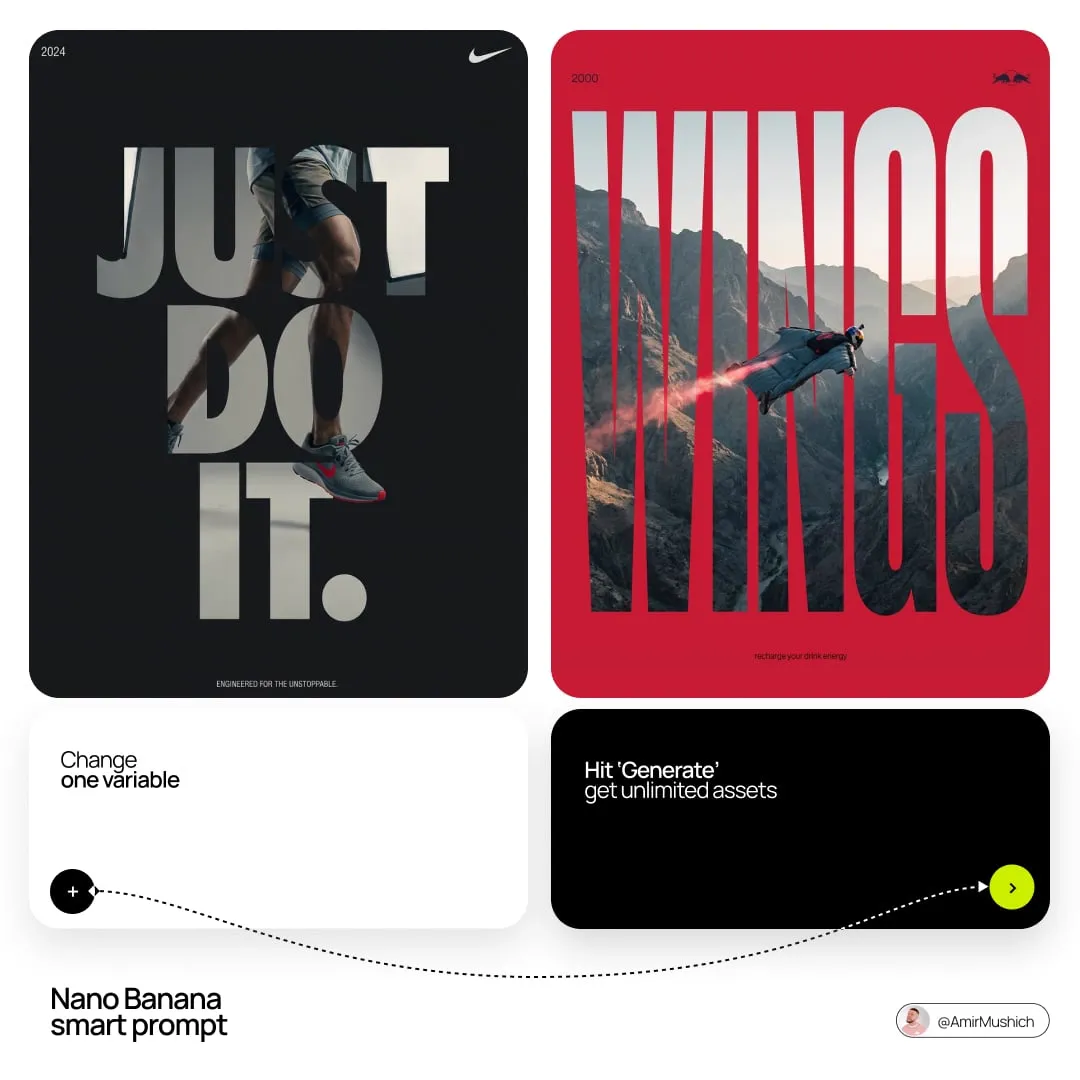
What if a generated clip is almost right? Regenerate with one variable changed — the camera move, the lighting, or the constraint list — rather than rewriting the whole prompt. Changing one thing at a time is how you learn what the model actually responds to.
Make the Idea, Then Make It Move
AI video generation is most useful when it removes friction from a process you already understand. Write the hook, plan the shots, prompt deliberately, cut on motion, and check the result before you publish. Everything else is tuning.
When you are ready to put the pipeline into practice, start with a single sentence and a single shot in the AI video generator. Keep the prompts that work, delete the ones that do not, and let the format settle into something you can repeat weekly. Browse the Orelon blog for more workflow breakdowns as your format evolves — and let the generator handle the pixels while you handle the idea.