

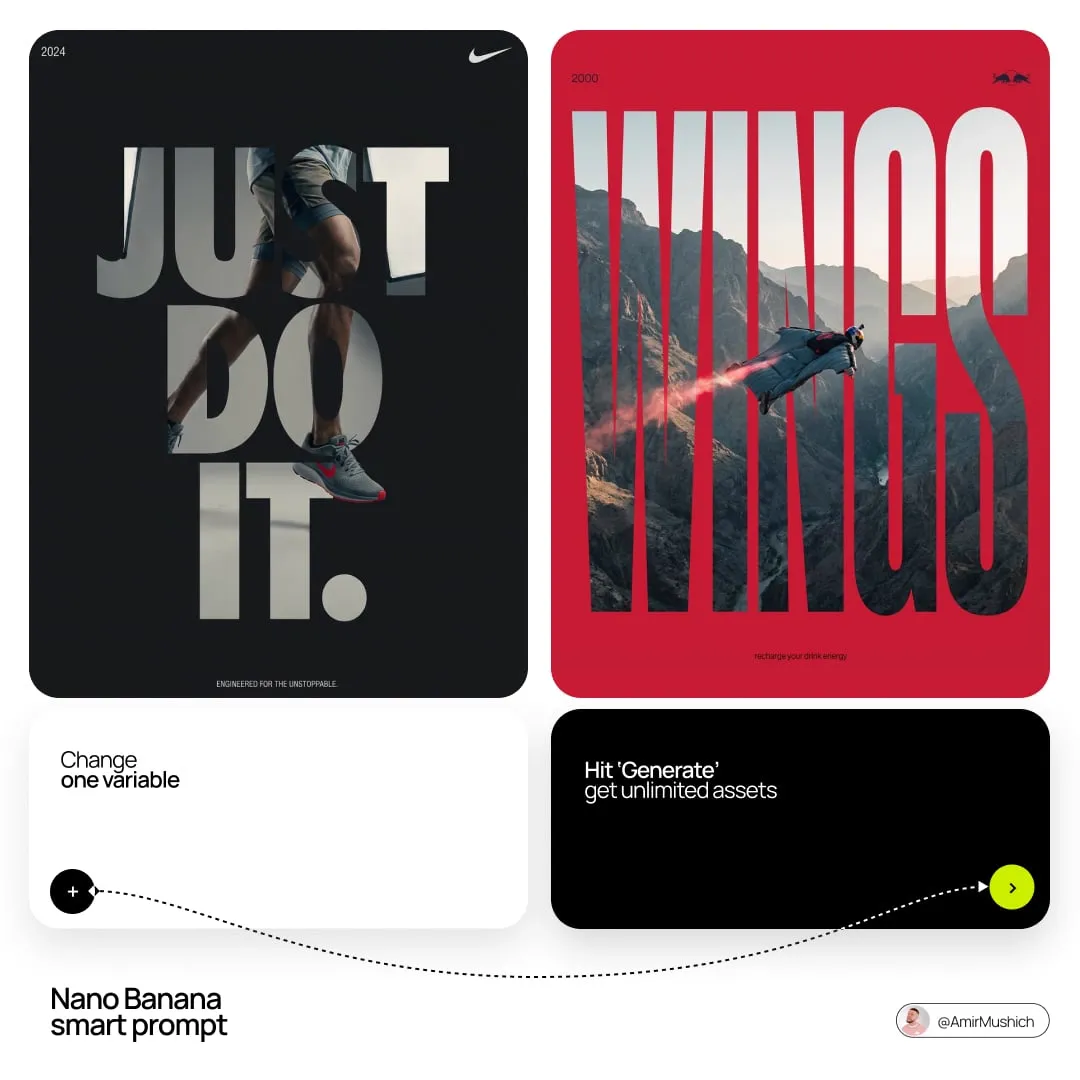
Pick an AI marketing video generator with confidence, then run a repeatable workflow for scripts, shot lists, voiceover, variants, and publishing.
The hard part of marketing video was never the idea
The hardest part of marketing video was never the concept. It was the distance between a rough concept and a file you could actually publish. A thirty-second spot used to mean a script, a location, a crew, a talent negotiation, a music license, an edit suite, and a revision loop measured in weeks. Most teams responded in the only rational way available to them: they made fewer videos. Fewer videos meant fewer experiments. Fewer experiments meant weaker performance data, and weak data meant the next round of creative was guesswork dressed up as strategy.
Generative tooling has closed that gap in a very specific way. It has not replaced directors, editors, or brand strategists, and anyone promising that is selling something else. What it has replaced is the friction between "we have an idea" and "we have something testable this afternoon." You can describe a scene and get moving footage back. You can animate a product still you already own. You can build a synthetic presenter, and you can cut three versions of the same message for three placements without booking another shoot day.
That changes strategy more than it changes aesthetics. When producing a marketing video costs almost nothing beyond attention, the smart move stops being "make one flawless hero asset" and becomes "run a portfolio of small, sharp tests." The teams getting real leverage out of these tools treat AI video as a research instrument as much as a production shortcut. They publish variants, read retention curves, and reinvest in whatever survives contact with an audience.
This guide covers what these tools genuinely do, how to choose between them without drowning in feature tables, a repeatable weekly workflow, two worked examples, the mistakes that make generated video look cheap, and the governance questions worth settling before anything touches a brand channel.
What an AI marketing video generator actually does
Start by separating the marketing label from the underlying capabilities. Most products sold as AI video generators bundle several distinct engines, and the mix determines what you can realistically produce.
Text-to-video and image-to-video
Text-to-video turns a written description into moving footage. You describe subject, action, camera behavior, lighting, and mood, and the system returns a short clip. Image-to-video takes a still — a product photo, a keyframe you generated, a screenshot of an interface — and animates it with a described motion.
In daily brand work, image-to-video is the more dependable route. A still you control gives the system a strong anchor for composition and product detail, so the output drifts less across takes. Text-to-video is better for establishing shots, abstract backgrounds, and atmosphere, where exact product fidelity is not the point. If you are producing a launch video for a physical product, most of your hero shots should start as stills.
Avatar-led and voice-led formats
Avatar tools generate a synthetic on-camera presenter from a script. They are excellent for explainers, onboarding sequences, internal announcements, and localized versions of the same video, because you can swap voice and language without reshooting anything. They are weaker for emotional storytelling and for anything that depends on genuine human presence: customer testimonials, founder stories, community moments, apology videos. An audience forgives a synthetic narrator in a how-to video. It does not forgive one in a message about trust.
The assembly layer nobody evaluates
The part buyers underrate is everything surrounding generation: aspect-ratio presets, caption engines, music libraries, brand kits, review and approval states, and export variants. A system that produces gorgeous eight-second clips but gives you no practical path to assembling a thirty-second story for three placements will slow you down more than it speeds you up. When you evaluate options, generate a clip, then try to finish a whole video with it. The finishing experience is the real product.
Where a human still decides everything
Generation is not strategy. Someone still has to choose the single job of the asset, the hook in the first two seconds, the brand promise, the call to action, and the bar for "good enough to publish." Those decisions are the difference between a video that performs and a video that merely exists. Tools amplify judgment; they do not supply it.
Seven decision criteria that actually predict satisfaction
Most comparison content ranks products by feature list. That is the least useful lens available, because feature counts do not map to your production reality. Judge candidates against these criteria instead.
Control versus speed. Some tools optimize for one-prompt convenience. Others expose camera moves, seeds, motion strength, and keyframe control. If repeatability matters — a recurring series with a consistent look — control wins. If raw volume matters, speed wins. Be honest about which one you need this quarter.
Clip length and subject consistency. Check how long a single generation runs and how well a subject holds together across cuts. Consistency is where most pipelines break, especially when a character or product must appear in six shots of the same video.
Input flexibility. Can you start from text, a still, an existing clip, or a reference style? The more entry points a tool accepts, the more it fits into a workflow you already have instead of forcing you to rebuild it.
Aspect ratios and placements. Vertical, square, widescreen, and cinematic crops should be first-class options, not an afterthought. You will almost always need more than one, and re-cropping by hand is where hours disappear.
Audio handling. Does the tool generate voice, accept your own voice track, or only produce silent clips? Decide whether you want a synthetic narrator or a real human before you commit, because that choice shapes the entire script.
Rights and commercial clarity. Read the terms for commercial use, likeness, and uploaded assets. This is not paranoia; it is ordinary procurement hygiene, and it is far cheaper to check before publishing than after.
Iteration cost. The best tool is the one where a failed attempt is cheap. If every experiment feels expensive, you will stop experimenting, and the tool loses its primary advantage.
If you want a concrete starting point, open the AI video generator and test whether the output style matches your brand before comparing anything else. Style fit matters more than any checklist.
A repeatable weekly workflow for marketing video
This workflow is designed for a small team: one marketer, one editor, and a shared brand kit. It runs weekly without a dedicated production department.
Define the single job of the video
Write one sentence: "This video exists to make [audience] do [action] because [reason]." If you cannot finish that sentence, the video is not ready to produce. One job per video. Not awareness plus feature education plus a seasonal discount. Every additional job dilutes the hook.
Script to the cut, not to the page
Marketing scripts fail in the edit because they were written as prose. Write in beats instead: hook from zero to two seconds, tension from two to six, proof from six to fifteen, payoff from fifteen to twenty-five, call to action from twenty-five to thirty. Read it aloud with a timer. If a line does not earn its seconds, cut it. Spoken language is roughly half as dense as written language, which is why so many blog-first scripts sound exhausting when narrated.
Build a shot list before generating anything
A shot list is a simple table: shot number, duration, framing, subject, motion, and the line of script it supports. This one artifact prevents the most common AI video problem — generating attractive clips that do not assemble into a story. Ten to fourteen shots is a healthy range for a thirty-second spot. Keep the table open while you generate and mark each shot as you clear it.
Generate short, controllable clips
Generate in four-to-eight-second chunks, then assemble. Long single generations tend to drift, and drift in the sixth second ruins the whole take. Keep a shared prompt structure so clips feel like they belong to one film: subject, action, environment, lighting, lens, movement, mood, and a note about what to avoid. A prompt library with reusable templates saves hours of rewriting and makes style consistency mechanical rather than intuitive.
Handle voice, music, and captions deliberately
Record a real voice track when trust is the product — testimonials, founder messages, anything emotional. Use synthetic narration for scale, localization, and evergreen explainers. Always add captions: most social video is watched muted, and captions also give platforms clean signals about what the content contains. Add a subtle music bed under every voice track, even if it is barely audible. Silence is the fastest way to look amateur.
Assemble, brand, and export placement variants
Cut to a rough timeline, add a consistent title card and end frame, then export placement variants: vertical for short-form, square for feed placements, widescreen for site and pre-roll. Producing a vertical and a horizontal version from one edit is dramatically cheaper than running two campaigns. Video templates can lock pacing and typography so every asset in a series feels like the same brand rather than the same software.
Ship, read retention, and reuse
Publish, then read the retention curve rather than the view count. Where do people leave? The first drop usually points at your hook. A mid-video drop points at pacing or an unmet promise. A late drop points at a weak close. Keep a swipe file of hooks and frames that held attention, and feed those patterns into the next script. Over a quarter, this practice compounds faster than any single creative breakthrough.
Worked example: a thirty-second product launch spot
Suppose you are launching a compact espresso machine for small kitchens. Production budget beyond your own time: effectively nothing.
Start with the shot list. A hand reaching for the machine in morning light. A slow push on the portafilter. Steam rising in backlight. A pour in close-up. A satisfied first sip. A final wide shot of a tiny kitchen that still looks elegant. Each shot is five seconds or less.
Generate the hero product shots from stills you already have. Corrected product photography animates far more faithfully than a text prompt, because the composition and detail are already decided. Use text-to-video only for atmosphere: steam, window light, an abstract coffee swirl for the transition between the reveal and the payoff. Record six seconds of voice at the top for the promise, let music carry the middle, and place captions on the product claim.
Then make the variants. A nine-by-sixteen cut that opens on the pour. A square cut that opens on the kitchen wide. Same assets, three placements, one afternoon. That is the entire point of the workflow: not that a machine produced a commercial, but that one idea became three testable commercials with a shared visual language.
Worked example: turning a written guide into a social series
Take a fifteen-hundred-word guide on choosing a running shoe. Extract five claims that can stand alone: the cushioning myth, the heel-drop tradeoff, when to replace shoes, treadmill versus road, and fit testing at the end of the day.
Each claim becomes a twenty-second vertical video with a four-beat structure: bold statement, one-sentence explanation, a visual demonstration, and a soft call to action pointing back to the article. Generate the demonstration visuals with image-to-video using simple product or motion stills, and add one consistent end card so the series reads as an ongoing show rather than five unrelated posts.
This repurposing loop is where generated video pays back fastest. One written asset becomes a week of publishing, and the best-performing clip tells you which section of the original guide deserves expansion next. If a clip about replacing shoes outperforms everything else, you have your next long-form topic and your next ad concept in the same data point.
Mistakes that make AI marketing video look cheap
Prompting with vague praise. "Cinematic, beautiful, high quality" tells a system almost nothing. Describe lens, light direction, subject motion, and pacing instead. Specificity is the whole craft.
Too many cuts. Beginners cut every two seconds to hide weak footage, and it reads as chaos. Fewer, longer shots with intentional movement look more expensive than a rapid montage.
Inconsistent subjects. If a person or product changes shape between shots, viewers notice instantly. Anchor with stills and repeat identical descriptive language across prompts.
One synthetic voice for everything. The same narrator across an explainer, a testimonial, and a founder message flattens your brand into a single tone. Match the voice to the job.
No sound design. Room tone, a soft music bed, and clean level balance change perceived production value more than any visual upgrade.
Ignoring the brand system. Fonts, colors, lower thirds, and end frames should be identical across every asset. Consistency is what turns a set of clips into a brand.
Publishing the first acceptable generation. Generate more than you need, then choose. Selection is still the job, and it is the fastest quality gain available to you.
Chasing visual novelty over clarity. A strange, beautiful shot that does not support the message is decoration. Decoration does not convert.
Governance, rights, and brand safety without the bureaucracy
Before any tool touches a brand channel, answer four questions. Who owns the output, and can it be used commercially? Are you permitted to depict real people, and do you have consent for any likeness you use? What happens to assets you upload, and are they used to improve or train anything? And who inside your organization signs off on synthetic media before publication?
Then add two internal rules that cost nothing. First, disclose synthetic presenters anywhere an audience could reasonably assume a real person is speaking. Second, never let generated footage make a factual product claim that has not been approved by the people responsible for the product. Generated visuals can invent a texture, a size, or a feature that does not exist, and that is a compliance problem, not a creative one.
These habits matter more as volume rises. When a team can publish ten videos a week, the risk stops being quality and becomes consistency of claims and tone. A short written checklist that one marketing lead signs off on is enough structure for most organizations, and it takes ten minutes to build.
FAQ
Do I still need an editor if I use these tools? Yes. Generation is one step in a longer process. Pacing, sound, captions, and brand consistency decide whether the result looks professional. An editor's judgment is the difference between raw clips and a finished asset.
How long should a marketing video be? As short as it can be while completing one job. Twenty to forty seconds covers most social placements, sixty to ninety seconds suits explainers, and longer formats only work when the viewer actively opted in.
Can generated video handle product accuracy? Reliably, only when you start from real product stills and keep motion modest. Pure text prompts often distort logos, textures, and proportions. Treat any shot where the product must be unmistakably correct as an image-to-video job.
Is synthetic voice good enough for advertising? For neutral informational content, yes, and it scales and localizes beautifully. For testimonials, founder stories, and anything emotional, use a real voice. Audiences detect flat delivery within seconds, even when they cannot name what feels wrong.
How many variants should I produce per campaign? Three to five distinct hooks with the same body content is a practical starting range. Vary the opening, not the entire idea, so the test result stays readable and attributable.
What is the fastest way to get a consistent look across a series? Write one master prompt template, reuse your own stills as anchors, and lock a shared title card and end frame. Consistency comes from repetition and fixed templates, not from better prompts.
Do these tools replace agencies or internal teams? They replace repetitive production volume. Strategy, creative direction, and brand judgment remain human work, and they are usually the scarce part of the process anyway.
How do I decide between a specialist tool and an all-in-one platform? If your output is mostly one format, a specialist is fine. If you publish across multiple placements and need consistent branding, an all-in-one pipeline saves more time than it costs in depth. Compare approaches in the alternatives hub when the decision is close.
Where should a beginner start? With one campaign, one job, and one format. Add variants only after the first asset clears your own quality bar. Workflow discipline beats tool breadth in the first month.
Turn your next campaign into motion with Orelon
The practical takeaway is simple: stop treating video as a quarterly production event and start treating it as a weekly experiment. Define one job, write to the cut, build a shot list, generate short controllable clips, and ship variants you can genuinely learn from. That rhythm beats a bigger budget almost every time, because it produces feedback instead of a single expensive bet.
Orelon is built for exactly that cadence — an AI video generator for cinematic ideas in motion. Start with one campaign asset in the AI video generator, build supporting frames and textures with the AI image generator, and keep a swipe file of prompts that consistently work. When you are ready to scale output, review the Orelon pricing page and compare approaches side by side. More workflow breakdowns and practical guides live on the Orelon blog.