

Learn how to use an AI video maker to plan, prompt, and edit YouTube Shorts that hold attention, with a repeatable workflow, prompts, and common mistakes.
Short-form video stopped being a novelty a long time ago. The channels that keep growing are rarely the ones with a single brilliant idea — they are the ones with a reliable loop from concept to published upload. An AI video maker sits inside that loop as the fastest stage: the place where a rough idea becomes watchable footage in minutes, so your attention goes into hooks, pacing, and taste instead of rendering logistics.
This guide walks the entire pipeline for vertical video. You will see how to structure a Short so people watch past the first two seconds, how to write prompts that survive a 9:16 crop, how to keep characters and locations consistent across shots, how to edit and sound-design for retention, and how to choose tooling without locking yourself into a process you cannot repeat next week.
Why Shorts Reward a Repeatable System
The feed does not reward effort. It rewards the first second, then the second second, then the third. That means the highest-leverage skill is not animation quality in isolation — it is the ability to produce a steady stream of clips that each open with a clear promise.
Most creators who stall out are not out of ideas. They are out of capacity. Every upload restarts from zero: new concept, new visual language, new caption style, new sound palette. The result is a channel that looks like a different person made every video.
A repeatable system fixes three things at once:
- Visual recognition. A consistent look — color palette, lens feel, typography, pacing — lets a viewer know within half a second that this is you.
- Production speed. Once prompts, templates, and edit presets exist, a new Short becomes variation rather than invention.
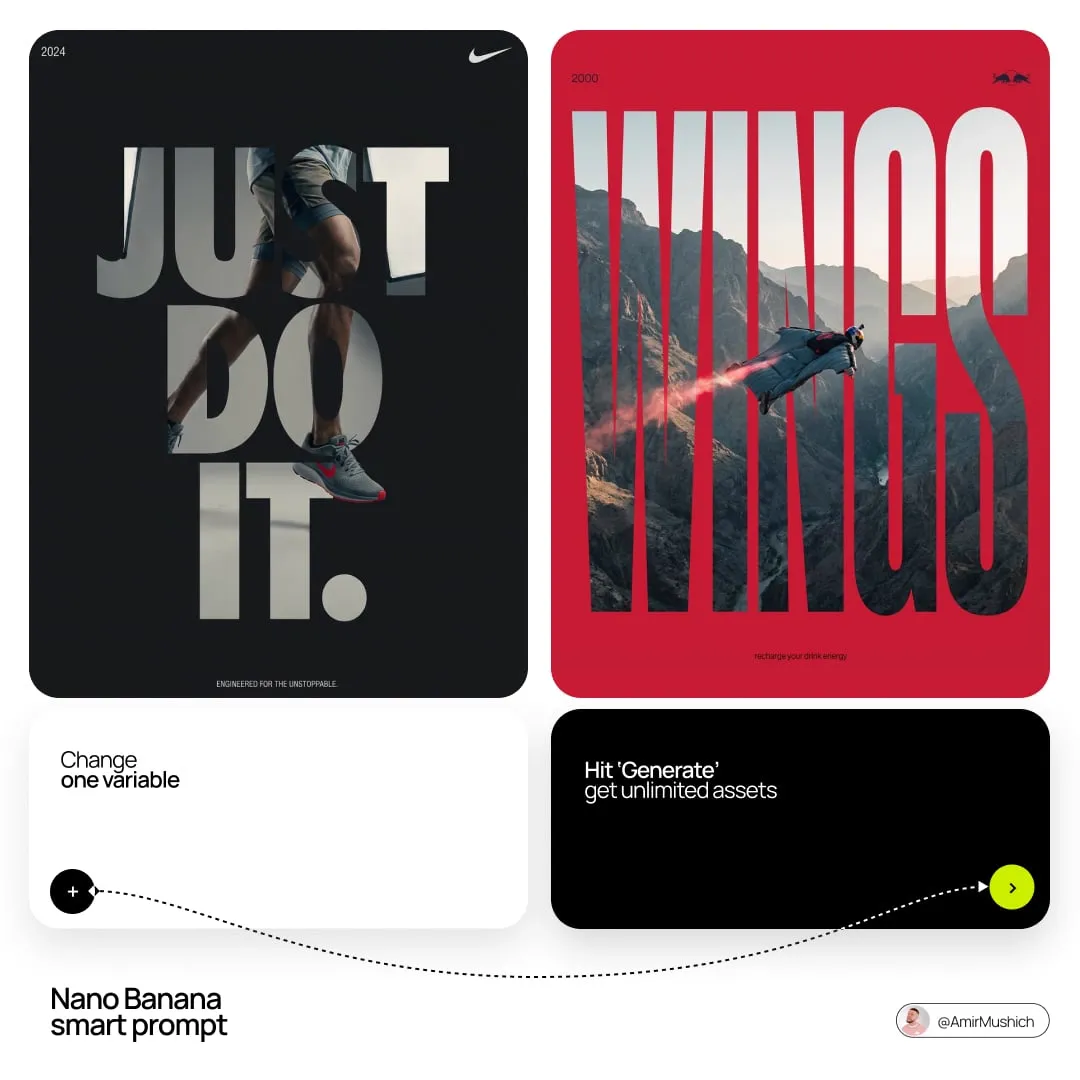
- Learning. If you change ten variables per video, you learn nothing. If you change one, you learn something you can reuse.
The practical version of this is batching. Draft five beat sheets in one sitting, generate all the footage in a second sitting, edit in a third. Generation tools are what make batching realistic, because the slowest step in the old pipeline — shooting or sourcing footage — collapses into a prompt.
What an AI Video Maker Actually Does for Short-Form
Modern generation models are trained to predict motion, not just pixels. That distinction matters for Shorts, because a clip that looks correct in a still frame but moves unnaturally reads as fake the instant it plays.
Text-to-video, image-to-video, and the hybrid route
There are three practical entry points, and they suit different jobs:
- Text-to-video. You describe the shot and the model invents it. Best for B-roll, abstract transitions, environments, and any shot where you do not need a specific face or object.
- Image-to-video. You generate or upload a still, then animate it. Best for product shots, character close-ups, and anything where composition must be exact.
- Hybrid. Build a hero frame with an AI image generator, lock the composition, then animate it with the AI video generator. This is the most controllable route and the one most Shorts creators end up settling on.
Where generation stops and editing begins
A common beginner mistake is expecting a single generated clip to be a finished Short. It will not be. Generation gives you coverage — five to fifteen seconds of usable material per idea. Editing gives you a story.
Treat generated clips the way a documentary editor treats interview footage: you are assembling meaning from fragments. The clip is raw material. The hook, the cut rhythm, the sound, and the caption are what make it watchable.
The Beat Structure of a Short That Holds Attention
Most shorts that fail share the same flaw: they open with context instead of tension. Here is a beat structure that works across niches and can be produced with generated footage.
Beat 1 — The cold open (0–2 seconds). State the most interesting fact, contradiction, or visual. No logo, no greeting, no "hey guys." If your Short is about a coffee ritual, open on the pour, not on the café exterior.
Beat 2 — The stake (2–5 seconds). Tell the viewer what they will get if they stay. One line. "The third step is the one almost everyone skips."
Beat 3 — Escalation (5–20 seconds). Two or three fast visual beats, each one slightly more surprising than the last. This is where generated B-roll does the heavy lifting.
Beat 4 — The turn (20–35 seconds). Introduce the detail that changes the meaning of everything before it. This is the retention spike — the reason people rewatch.
Beat 5 — Payoff and loop (35–55 seconds). Deliver the answer, then cut back to the opening frame or the opening line so the video can loop cleanly. A seamless loop is worth more than a call to action.
Write the beat sheet before you generate anything. It takes four minutes and saves an hour of aimless prompting.
Prompting for Vertical Video: A Practical Framework
Horizontal prompting habits produce horizontal results. Vertical framing is a different discipline: faces are close, headroom is tight, and motion reads differently because the viewer's eye travels down rather than across.
The four-part prompt
Every generation prompt in this workflow has four parts, in order:
- Subject. One clear noun phrase. "A baker in a flour-dusted apron," not "a person in a kitchen doing things."
- Action. One verb-led motion. "Pulls a tray from a deck oven." Multiple actions in one prompt produce mush.
- Camera. Distance and movement. "Vertical medium close-up, slow push in, slight handheld float."
- Look. Light, palette, and texture. "Warm tungsten bounce, shallow depth of field, soft film grain, muted amber and cream."
A finished prompt looks like this: A baker in a flour-dusted apron pulls a tray from a deck oven. Vertical medium close-up, slow push in, slight handheld float. Warm tungsten bounce, shallow depth of field, soft film grain, muted amber and cream.
That prompt is one shot. One shot is five seconds. A fifty-second Short needs eight to twelve of them, which is why a prompt library matters more than any single clever prompt.
Camera language that works in 9:16
Vertical rewards a narrow set of moves: slow push in, slow pull out, gentle parallax, and locked-off frames with internal motion. Wide lateral pans and sweeping crane moves lose their impact when the frame is a column. If you want energy, get it from subject motion and cut rhythm, not camera travel.
What to leave out
Negative guidance is as useful as positive description. Crowded backgrounds, text in the scene, and multiple characters doing different things all cause the model to blur its attention. Ask for fewer elements and the rendering gets cleaner.
End-to-End Workflow: From Idea to Upload
Here is the loop, in the order that produces the fewest wasted renders.
Step 1 — Beat sheet before pixels
Write the five beats in plain text. Identify which beats need generated footage and which can be a static frame, a screen recording, or a text card. You will usually find that two of five beats do not need generation at all.
Step 2 — Generate coverage, not perfection
Generate three to five variations per shot at the shortest workable duration. Judge them on motion, not beauty — a slightly imperfect clip with convincing movement edits better than a gorgeous frame that warps at second two.
Step 3 — Cut on motion
In your editor, place cuts at the moment of peak action rather than at the end of a clip. Cutting mid-move hides generation seams and creates the sense that the piece has momentum. Aim for a cut every 1.5 to 3 seconds during escalation.
Step 4 — Sound before captions
Add music and a sound effect bed first. Sound changes perceived pacing more than any visual edit, and a rising audio line can make a static shot feel like it is accelerating. Then add captions, positioned above the lower third so platform interface elements do not cover them.
Step 5 — Watch it muted, then listen with the screen off
Two passes. Muted tells you whether the visuals carry the story. Audio-only tells you whether the script holds without imagery. If either pass is confusing, the Short is not finished.
Step 6 — Publish and log the variables
Record the hook type, the beat count, the look, and the audio style for every upload. After twenty Shorts you will have data instead of opinions.
If you want to cut setup time further, reusable video templates give you a starting structure for aspect ratio, pacing, and typography before you generate a single frame.
Consistency, Keyframes, and Repeatable Style
The hardest problem in AI video is not generating a good shot. It is generating a second shot that matches the first.
Reference frames. Most modern tools let you feed a still image as the visual anchor for a generation. Use a single hero frame for every shot in a scene — same lighting, same wardrobe, same lens feel — and the outputs converge.
Keyframe control. Rather than describing the whole motion in words, define where the shot starts and where it ends. The model fills the middle. This is dramatically more predictable than a long descriptive prompt, and it is how you get a character to turn or a product to rotate without warping.
Multi-image fusion. When you need a consistent character across scenes, combining a character reference with an environment reference produces more stable results than describing both in text. Think of it as compositing with instructions.
Style systems. Build a small style sheet you reuse: one palette, one lighting setup, two lens choices, one grain level, one aspect ratio. Every Short draws from that sheet. The channel starts to feel authored rather than algorithmic.
Editing, Sound, and the Final Twenty Percent
The last twenty percent of effort produces most of the retention. Three habits matter most.
Front-load the strongest frame. If your best generated shot is at second twelve, move it to second one and rebuild the beat sheet around it. The first frame is a thumbnail in motion.
Design the loop. End on a frame that visually rhymes with the opening. When the platform loops the video, the restart should be imperceptible, which quietly inflates watch time.
Use one strong sound effect per beat. Not per second. A single well-placed whoosh or impact at a cut makes the transition feel intentional; a sound effect on every cut makes the whole thing feel like a template.
Keep captions short. Four to six words per line, high contrast, consistent position. Captions are a reading experience layered on a watching experience; if they compete with the visuals, both lose.
Choosing the Right Tool — and the Mistakes That Undo Good Workflows
Decision criteria that actually matter
- Shot-level control. Can you set camera, duration, and framing per clip, or are you accepting whatever the model returns?
- Reference and keyframe support. Without them, series content is nearly impossible.
- Vertical output at native resolution. Generating wide and cropping in the edit loses detail where it matters most — faces.
- Iteration speed. You will discard more clips than you keep. Fast iteration beats marginal quality gains.
- Predictable output. A tool that returns the same shot twice lets you build a style. A tool that surprises you every render does not.
It also helps to compare approaches directly before committing — for example, seeing how different model families treat motion and consistency, as in this Orelon vs Runway comparison, or browsing the Orelon blog for workflow breakdowns.
Mistakes that quietly kill retention
- Opening with a logo, an intro animation, or a spoken greeting.
- Generating one long clip and calling it a Short.
- Changing visual style every upload.
- Writing prompts that describe a mood rather than a shot.
- Leaving dead air in the first second.
- Ignoring the platform's own specs; check the official YouTube Shorts help documentation for current requirements rather than guessing.
- Waiting for a perfect render instead of publishing a good one and moving on.
FAQ
How long should a generated Short be? Twenty-five to fifty-five seconds is the sweet spot for most niches. Long enough to deliver a payoff, short enough that the loop happens before attention drifts. If your idea only fills fifteen seconds, publish fifteen seconds — a padded Short reads as padded.
Do I need editing software if I generate the footage? Yes. Generation gives you shots; editing gives you a video. Even a minimal editor is required for cut timing, audio sync, and captions. The good news is that generated footage is far more forgiving to cut than live footage, because you are not matching continuous audio.
How do I keep the same character across multiple Shorts? Build a character reference sheet: one clear front-facing frame, one three-quarter frame, and a written description you paste into every prompt. Reuse the reference image in addition to the text. Consistency comes from repetition of the same inputs, not from better adjectives.
Can I post the same Short on multiple platforms? You can, but adjust the safe zones. Caption position and interface overlays differ between apps, so render a version with text kept slightly higher in frame if you plan to distribute widely.
What if the generated motion looks unnatural? Shorten the clip and simplify the action. Most warping comes from asking for too much movement in one shot. Two clean three-second clips almost always beat one ambitious eight-second clip.
How many Shorts should I test before judging a format? Ten minimum, with only one variable changing between them. Below that, you are measuring randomness rather than performance.
Start Your Next Short in Orelon
A Short is a small film with a tight deadline, and the only way to build a library of them is to shorten the distance between the idea and the first frame. That is exactly what Orelon is built for: cinematic ideas in motion.
Start with a beat sheet, generate coverage in vertical, keep one look across every upload, and let the edit carry the story. Open the Orelon homepage to see the full pipeline, or jump straight into the AI video generator and build your first shot today.