
Plan, prompt, and publish cinematic vertical video with an AI video maker. A practical creator workflow covering hooks, consistency, and tool choice.
Vertical video is the most competitive surface on the internet, and the least forgiving. A viewer makes the keep-or-scroll decision in roughly a second, the feed keeps moving either way, and the format offers no room for a slow build. That pressure is exactly what an AI video maker handles well: fast iteration, cheap variation, and a shot list you can regenerate until a beat finally lands.
This guide is a working method for planning, generating, and finishing vertical short-form video with AI. It covers hook patterns that hold attention, prompt language that produces cinematic footage in a 9:16 frame, a decision framework for choosing tools, and the small mistakes that quietly drain retention.
Why Short-Form Rewards a Different Production Model
Classic video production is built around one expensive hero piece. Short-form is built around volume, testing, and speed. The economics invert: instead of spending a month on one video, you publish several pieces a week, watch which one holds, and rebuild that hook in a new context. The unit of work becomes the hook rather than the episode.
Three numbers shape the method.
- Retention collapses hardest in the first second, then flattens. The opening frame is worth more than the middle ten seconds combined.
- Rewatches count. A clean loop back into frame one lifts watch time without any extra reach.
- A large share of viewers start muted. Text, readable motion, and a self-explanatory first beat carry meaning before audio arrives.
Together, those facts favour a workflow that produces many short, tight, repeatable segments rather than a few long ones. AI generation fits that rhythm because the cost of a rejected take is time rather than budget, and time is something you can plan around.
What AI Video Does Well in a Vertical Frame
Generative video is not a magic camera. It is a fast visualiser with a specific temperament, and knowing where it is strong keeps you from fighting it.
Strengths worth leaning on
- Establishing shots, environments, weather, and atmosphere that would otherwise need a location shoot
- Textures and abstract motion: smoke, ink, water, grain, shifting light
- Style transfer, so an entire series can hold one visual identity
- Cheap variation: five versions of the same beat for the price of a coffee break
- Symbolic imagery that is expensive or impossible to stage practically
Where it still breaks
- Hands, teeth, and legible small text under close inspection
- Physically coherent action sustained across many seconds
- Character identity drifting between clips unless you anchor it
- Fast camera moves in low light, which smear fine detail
Design your story so the strongest generated material carries the narrative weight while fragile elements stay small, off-screen, or replaced with a cutaway. If a beat needs a perfect hand, film that hand on a phone against a neutral wall and cut to it.
Pre-Production: The Ten Minutes That Save Three Hours
Most wasted rendering time comes from generating before you know what you need. A short planning pass fixes that.
Write the hook as a visual promise
A hook is not a topic, it is a promise of an image. A city street flooding in reverse beats a video about water, because it creates a question the viewer wants answered. Useful hook shapes include the reveal (something hidden becomes visible), the contradiction (two things that should not coexist), the scale shift (a tiny thing becomes enormous), and the transformation (one form becomes another). Choose one, then build the rest of the short as its answer.
Build a beat map, not a mood board
For a 30-second short, sketch five to seven beats with rough durations:
- Hook, 0 to 2 seconds
- Setup, 2 to 7 seconds
- Escalation, 7 to 15 seconds
- Turn, 15 to 23 seconds
- Payoff, 23 to 28 seconds
- Loop-out, 28 to 30 seconds
Beats are the units you plan; clips are the units you generate. A single beat may be covered by three generated clips cut together, and knowing which beat you are serving stops you from over-generating. If you want a minute-long piece, stretch escalation and turn rather than adding new beats.
Write shots, not scenes
A shot is one camera setup with one action and one visual idea. A wide street, rain rising, slow push in, neon reflections is a shot. A dramatic story about the city is not a shot, and no model will render it. Aim for eight to fourteen shot descriptions in your list, knowing you will use six to ten.
A Seven-Step Production Workflow
Step 1: Lock the aspect ratio first
Decide vertical at the start. Never generate landscape and crop later: cropping throws away composition decisions the model already made and leaves the frame feeling accidental. Set 9:16 in the prompt and confirm the output before you build anything on top of it.
Step 2: Generate anchor stills before motion
Stills iterate faster than video, so produce key frames with an AI image generator until composition, wardrobe, light, and colour are right. Approving stills first is the single biggest quality lever in the whole workflow, because you are making creative decisions on a cheap asset.
Step 3: Animate one idea per clip
Move each approved still into motion with a single clear instruction in an AI video generator: a slow push in, a gentle orbit, a rising tilt, drifting particles. One motion idea reads as cinematic. Three competing motion ideas read as a glitch.
Step 4: Cut against the beat map
Assemble in your editor with the beat map open. Cut on motion rather than stillness, because a cut in the middle of a camera move hides the seam between two unrelated generations. Keep shots between roughly 1.5 and 4 seconds; longer clips invite the eye to hunt for artefacts.
Step 5: Build sound before captions
A low drone, one impact, and one transition whoosh do more for perceived production value than a busy music bed. Align your largest visual change with your largest audio accent. Then add captions with high contrast and generous margins so interface elements never cover the words.
Step 6: Test the first second alone
Export frame one plus a second of motion as a separate file and watch it five times. If it does not create a question in your mind, it will not stop a scroll. This one check improves results more reliably than any prompt upgrade.
Step 7: Package for the feed
Write a title restating the visual promise, choose a cover frame that reads at thumbnail size, and keep the description to one clear next step. If you run a series, reuse a template so timing, typography, and structure stay identical across episodes and viewers recognise you before they read anything.
Prompting for Cinematic Vertical Shots
A reliable prompt order is subject, action, camera, lens, lighting, mood, format. Format belongs last so it acts as a constraint rather than competing with the subject.
A lone cyclist pushing through shallow floodwater, camera tracks alongside at eye level, 35mm lens, cold blue dawn light with warm streetlamp accents, quiet and tense, vertical 9:16 framing
That sentence gives the model a subject to animate, a camera behaviour to respect, and a mood to grade toward. Once a formula works, save it and reuse it. Browsing a prompt library to study patterns is faster than starting from a blank field every session.
Camera language that survives 9:16
Vertical framing rewards pushes, pulls, gentle orbits, tilts, and slow rises. Lateral tracking shots lose their subject off the edges of the frame. If you want energy, put a speed ramp inside a single move instead of a wide sweep across the scene.
Lighting cues that actually change the output
Descriptive lighting beats decorative adjectives. Overcast light through frosted windows gives the model something to build; beautiful lighting gives it nothing. Pair one lighting cue with one colour cue and stop there, because five colour words produce mud and the model averages them into grey.
A short vocabulary of useful motion words
- Push in and pull out for tension, focus, and reveal
- Orbit and arc for subject showcases
- Tilt up and rise for scale and awe
- Handheld drift for documentary immediacy
- Slow motion for emphasis on a single instant
Keeping a Series Visually Consistent
Consistency is where most AI-driven channels either build an audience or lose one. Three levers do the heavy lifting.
First, reuse reference stills. Animate the same approved frame, or a tightly related set, so face, wardrobe, and proportions stay stable. Second, describe the character identically in every prompt: same hair, same jacket, same age, same silhouette. Third, write a short style bible covering one lens family, one palette, one contrast level, one grain setting, and one caption font, then apply it to every episode.
When a clip drifts, do not patch it in the edit. Regenerate the anchor still and animate again. Fixing identity drift in post is slower and rarely convincing.
Choosing a Tool: Criteria That Affect Weekly Output
Feature lists rarely describe what a short-form creator needs. Judge tools on the things that change your week:
- Input modes: text, image, and video inputs in one workspace instead of three subscriptions
- Aspect ratio control: genuine vertical output rather than a crop
- Clip length: enough to cover a beat without stitching
- Motion control: the ability to specify camera behaviour
- Iteration speed: how fast you can regenerate a rejected take
- Export quality: resolution and frame rate that survive platform compression
- Licensing and watermark policy: what you can publish, and how it looks
- Learning curve: whether you can finish a short today
If you are still comparing options, start with an overview of alternatives, then narrow with head-to-head pages once you know which criteria matter, for example a Runway comparison or a Kling AI comparison.
Text, image, or video input?
Choose text-to-video for concept beats, environments, and anything symbolic. Choose image-to-video when consistency and composition matter, which is most of the time for a series. Choose video-to-video when you already have phone footage and need a different look or an extended moment. Most creators end up using image-to-video for the majority of shots and the other two modes for accents.
Captions, Sound, and the Muted-Viewer Problem
Captions are not an accessibility afterthought; they are the default reading experience for a muted feed, and they double as a retention device because the eye keeps moving. Practical rules:
- Two to four words per line, one line at a time where possible
- High contrast, no thin light weights over busy footage
- Keep text inside the middle band, clear of interface overlays
- Time captions to speech rather than to your edit rhythm
Sound design should be sparse and deliberate: one bed, one accent, one transition. Every additional layer competes for attention the visuals need. If you can describe your short with the audio muted and a viewer still understands it, your captions are doing their job.
Mistakes That Quietly Kill Retention
Opening on a wide shot. A landscape-scale establishing frame reads as empty in vertical. Open close and widen later if you need context.
Generating before planning. Without a beat map, clips become a mood board rather than a story, and viewers leave when they sense there is no destination.
Letting a clip run too long. Past four seconds the eye starts auditing artefacts. Cut sooner than feels comfortable.
Ignoring the loop. End on a frame that flows back into your opening frame and rewatches climb without extra reach.
Stacking motion. Three camera moves in one clip look like a fault, not a style choice.
Captioning after the edit is locked. Text placement changes timing. Design captions early, not last.
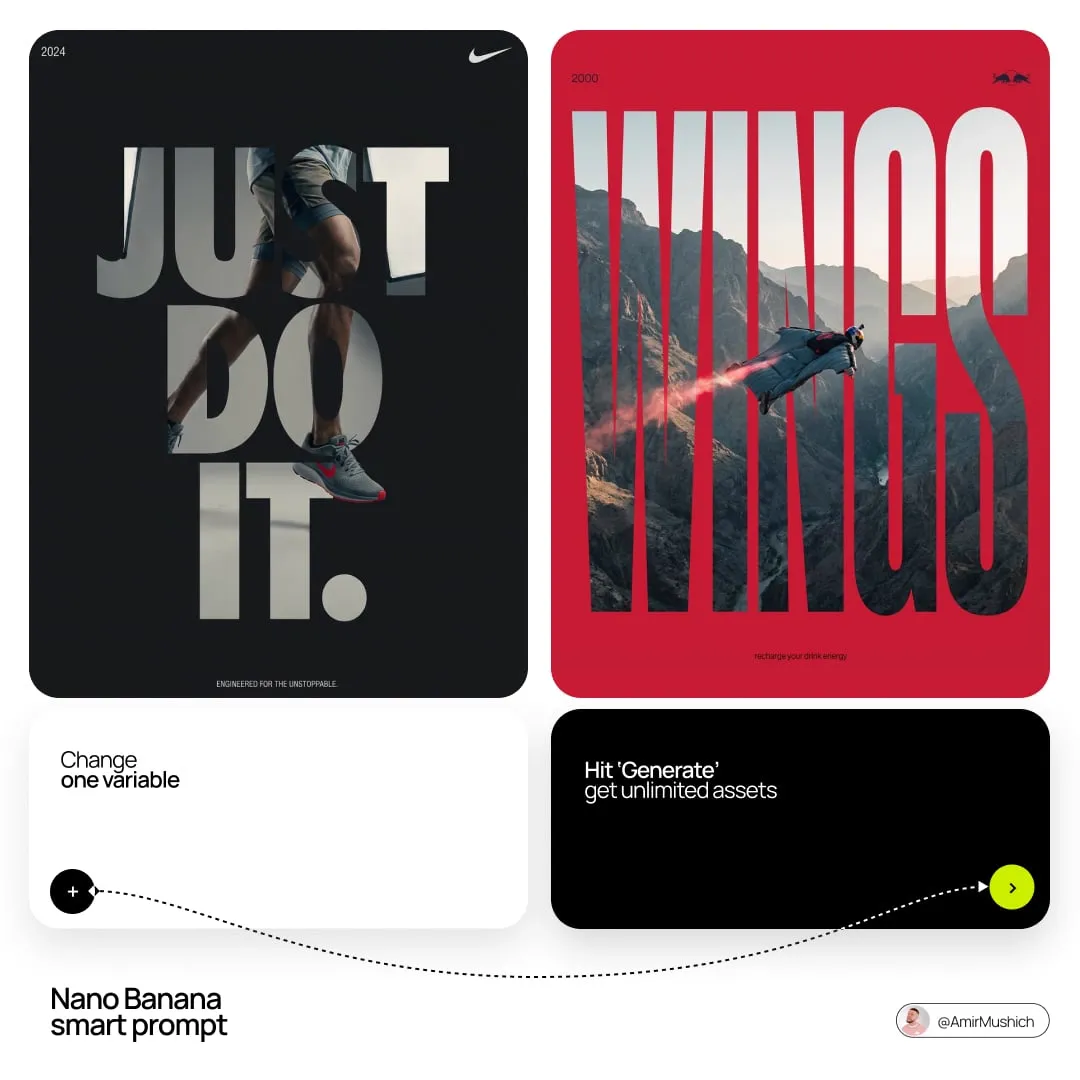
Changing five variables at once. You will never learn what worked. Change one thing per test.
Publishing synthetic footage without disclosure. Follow platform rules, label where required, and keep your creative contribution visible.
Publishing and Platform Fit
Upload in the native vertical format and let the platform handle delivery. Keep titles short and concrete, and put your strongest keywords where they describe what is actually on screen rather than where they might please an algorithm. If you are repurposing the same video across surfaces, regenerate a square or landscape version with a new framing instruction instead of reusing a crop.
Track two metrics per post: how long viewers stay in the first three seconds, and how often they rewatch. Everything else is downstream of those two. A third useful habit is keeping a simple log of what you tested, because a hook that failed last month often works again with a different subject.
FAQ
Do I need editing experience to make short-form video with AI?
Basic cutting is enough. Learn three skills: trimming to a beat, aligning audio accents with visual changes, and burning in captions. Everything else is polish you can add later.
How long should an AI-generated short be?
The platform permits up to three minutes, but most channels see stronger retention between 15 and 45 seconds. Match length to the number of beats you can genuinely fill rather than to the maximum available.
How many generations does one good clip take?
Expect three to six attempts for a hero shot and one or two for supporting b-roll, depending on how specific your motion instruction is. Budget your session around your two or three best clips rather than trying to perfect everything.
Should I generate in vertical or crop later?
Generate natively in vertical. If you need another aspect ratio, regenerate with a different framing instruction, because cropping discards the composition the model built and rarely looks intentional.
How do I keep characters consistent across episodes?
Anchor on reference stills, describe the character identically every time, and write a style bible covering lens, palette, contrast, grain, and typography. Consistency is largely a documentation problem rather than a model problem.
Can AI-assisted shorts be monetised?
Eligibility depends on the platform's current policies for synthetic and altered content, and on whether your video adds original value beyond the generated material. Read the rules before you build a channel around a format, and label content where required.
What is the fastest way to improve results?
Change one variable at a time. Test the hook, then the camera move, then the lighting, keeping everything else identical so you can attribute the difference.
Do I need a storyboard artist?
No. A written shot list of eight to fourteen single-idea shots is more useful, because it maps directly onto prompts and onto your beat map.
Bring Your Next Short to Life with Orelon
The creators who win at short-form are not the ones with the biggest budgets. They are the ones who iterate fastest: plan the beat map, approve anchor stills, animate one clear camera move per clip, cut on motion, and test the first second until it stops a scroll.
Orelon is an AI video generator for cinematic ideas in motion, with image, video, and template workflows in one place. Start with a single vertical shot in the AI video generator, then browse the Orelon blog for more production workflows. Your next short is one hook away.