

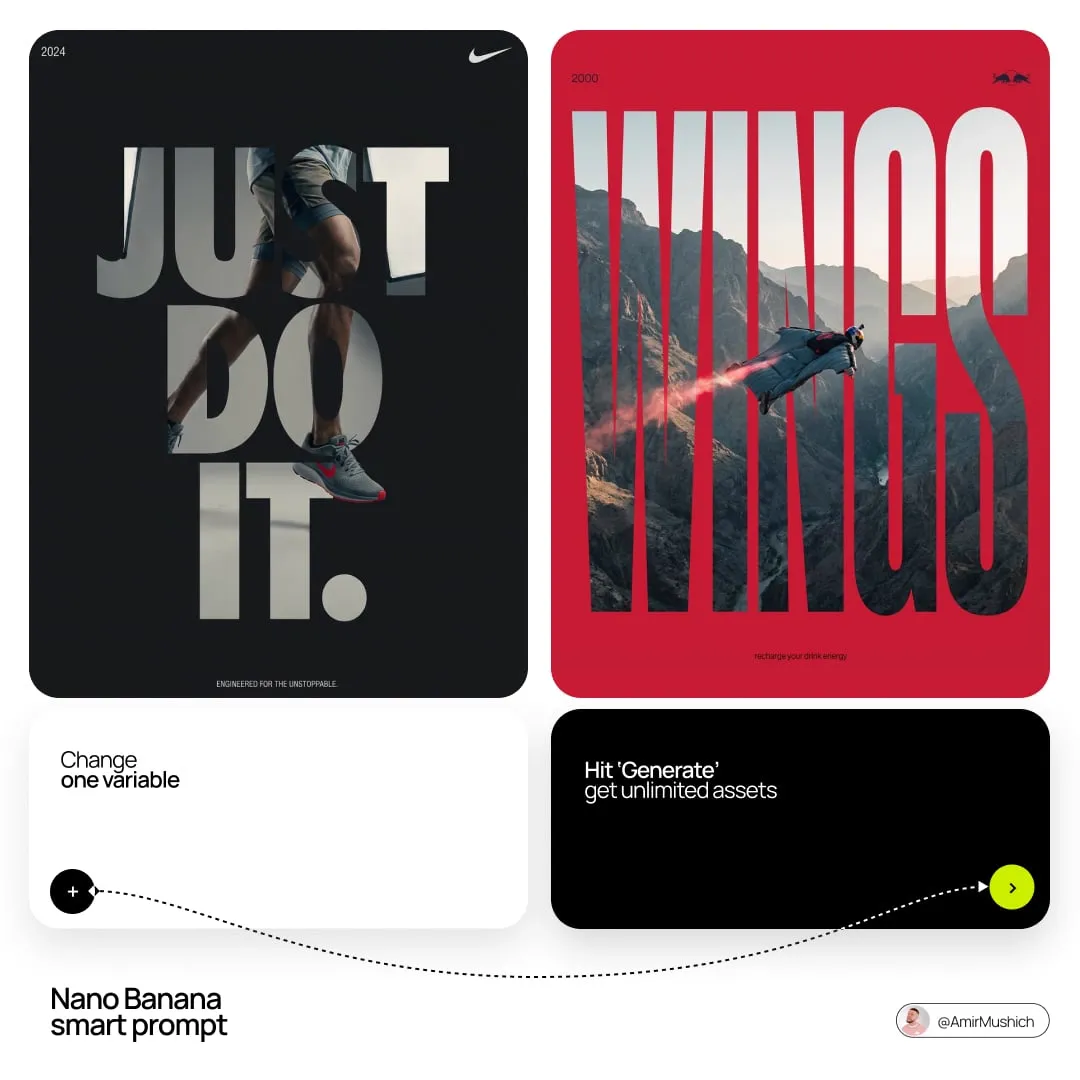
Compare the AI apps that make vertical edits faster, with a practical workflow for hooks, captions, generated b-roll, sound design, and retention.
A vertical video lives or dies in its first second. Everything after that is craft; the first second is a promise. The apps people argue about only matter because they shorten the distance between a sharp idea and a published cut, and that distance decides whether you post three times a week or once a month.
This is not a ranked list of logos. It is a way to think about AI editing tools as five distinct jobs, decide which of them you actually need, test candidates against your own footage, and run a workflow that produces a postable short in under an hour. If you already publish regularly, most of your gains will come from structure, not from switching apps.
Plan the Edit Around Retention, Not Around Effects
Most weak short-form videos are not badly cut. They open on a logo, spend two seconds on silence, and use on-screen text that cannot be read without pausing. Those are production problems, and they compound: if a 30-second video takes four hours, testing five hooks in a week is impossible.
Retention-first planning flips the order of operations. Before you open an editor, answer four questions:
- The hook line, plus the first visual frame that proves it
- The single idea the video delivers
- The payoff at the end: a result, a reveal, a punchline, or a loop back to the opening
- Where captions and text must sit so they never cover a face or a product
Once those are settled, editing becomes assembly. Every tool decision — auto-reframe, generated b-roll, synthetic voice, music ducking — should serve one of those four items. If a feature does not sharpen the hook or strengthen the payoff, it is decoration.
Name the hook archetype before you cut
Each hook type implies a different opening shot, which changes what you need to generate or film.
- Question hook ("Why does your phone footage look flat?") — open on the problem itself.
- Contradiction hook ("I stopped using a tripod and my shots got steadier") — prove it in frame one.
- Result-first hook — show the finished outcome, then rewind to how it happened.
- Counted hook ("Three edits that doubled my watch time") — keep the count visible on screen.
Naming the archetype keeps the whole edit pointed at one promise and stops you from adding shots that dilute it.
What AI Actually Does Inside a Vertical Edit
AI features are marketed as one cloud of magic. In practice they split into five jobs, and knowing which job you need stops you from committing to the wrong tool.
Shot generation and b-roll
Text-to-video and image-to-video create footage a phone cannot easily capture: an aerial establishing shot, a macro product detail, a stylized cutaway, the same character in three locations. For vertical work you can generate directly at 9:16 or generate wider and reframe for emphasis. An AI video generator helps here precisely because it lets you storyboard in motion instead of in static frames — you learn whether an idea works before you book a shoot day.
Auto-reframe and subject tracking
Auto-reframe is the most underrated feature in short-form editing. It follows a face or an object while the framing moves between wide, medium, and close, so a single recording becomes several visually distinct beats without a second camera. It also fixes the most common vertical mistake: cropping a horizontal clip and hoping the subject stays in frame.
Captions, pacing, and beat detection
Automatic transcripts, keyword emphasis, and beat-synced cuts give a flat clip rhythm. The caption itself is not the valuable part — the timing metadata is. Once a tool has placed word-level timestamps, you can reuse them to position cuts, zooms, and small sound effects on the musical pulse.
Cleanup, upscaling, and audio repair
Denoise, sharpen, upscale, and object removal rescue footage shot in imperfect conditions: a noisy café, a cluttered desk, a car passing behind the subject. When it works, cleanup is invisible, and it is often the difference between footage that reads as amateur and footage that reads as produced. Audio repair matters just as much, because a phone speaker punishes hiss and clipping harder than headphones do.
Dubbing, translation, and lip sync
Synthetic voiceover, translated captions, and mouth synchronization let one video serve several audiences. For creators publishing in more than one language, this removes a step that used to require a second recording session.
Where AI still breaks down
Hands and fine object interaction fail often. Text inside generated shots is unreliable, so add titles in the editor instead. Physical continuity drifts across long takes, and generated footage rarely carries emotion the way a real human reaction does. Plan around those limits: use generation for environments, cutaways, and stylized moments, and anchor the emotional core of the video in real footage or a real voice.
How to Choose an App Without Getting Lost in Feature Lists
Feature grids look nearly identical across products. Judge on constraints instead.
- Control versus automation. Do you want to type a prompt and accept the take, or direct every cut? Pick the tool that matches how much control you actually want at 11pm.
- Consistency. Can it keep the same face, outfit, or product recognizable across shots? Consistency separates a demo from a usable series.
- Output specs. Confirm 9:16 at 1080x1920, a frame rate that matches your other footage, and awareness of interface safe zones.
- Caption accuracy in your language and accent. Test with your own slang and jargon before building a workflow around it.
- Iteration speed. A tool that renders a draft in a minute changes how you work. One that takes an hour makes you precious about bad ideas and slow to test.
- Price predictability. Favor straightforward subscription tiers with clearly stated limits over systems that are hard to forecast.
- Export and handoff. You want clean files, transparent overlays when needed, and audio that survives compression on a phone speaker.
Run one idea through two tools, end to end
Pick a real idea you intend to publish. Take it from prompt to postable draft in two candidates, and count the manual repairs each one demands: re-timed captions, reframed shots, re-rendered clips, audio that needs rebalancing. The tool that reaches a publishable draft with fewer fixes becomes your default. The other becomes a specialist for the one job it does better. This test takes an afternoon and tells you more than a month of reading comparisons.
A Practical Workflow: One 30-Second Video, End to End
- Write the hook line first. One sentence that opens a gap: "I replaced my studio light with a nine-dollar lamp." If the hook is weak, no edit rescues it.
- Build a three-beat shot list. Hook, proof, payoff. Three to five shots is plenty for 30 seconds.
- Generate or gather footage. Start from video templates and existing clips where they fit, then generate only what is missing. This keeps one consistent look instead of five unrelated aesthetics in a single video.
- Assemble a rough cut with no effects. Get timing right first: hook inside the first 1.5 seconds, no dead air, payoff before the 25-second mark.
- Cut on the beat. Use the track's pulse to place transitions. Straight cuts on strong beats usually outperform elaborate wipes.
- Add captions and on-screen text. One line at a time, large, inside the safe area, with contrast against whatever sits behind it.
- Layer sound. Music at conversational level, dialogue on top, small whooshes or clicks under text reveals.
- Polish. Color-match generated shots to real footage, clean the audio, and add a subtle push-in on the hook.
- Export and package. Choose a cover frame with readable text, write a caption that adds context rather than repeating the video, and seed the first comment to invite replies.
Keep a saved version at each stage so you can swap the hook without rebuilding the entire edit. Hook testing is where most retention gains come from, and it is only practical when everything else in the video stays stable.
Prompting for Shots That Hold Attention
Good prompts for vertical video read like camera direction, not poetry.
Write the hook before the shot list
Decide the promise, then invent images that support it. Prompts derived from a hook feel intentional. Prompts written first produce attractive footage with no argument, which is why so many AI-heavy shorts look beautiful and are forgotten in four seconds.
Describe camera, light, and motion
"Slow push in, handheld, shallow depth of field, warm window light from the left" gives usable results. "Beautiful woman in city" gives a lottery ticket. Add motion verbs, lens behavior, and light direction, then delete anything a viewer will not register in two seconds. A prompt library helps mainly because reusable phrasing builds a recognizable house style: the same framing habits, the same palette, the same pace.
Keep the generation list short
Four to six generated shots is a sustainable budget of both time and attention. If a shot needs ten attempts, simplify it or replace it with something you can film in thirty seconds. Difficulty with a single shot usually means the idea is not clear yet, not that the model is failing.
The Stack Most Creators Settle On
| Job | What to look for | Typical choice |
|---|---|---|
| Generative footage | Text-to-video, image-to-video, character consistency | Orelon and similar suites |
| Fast assembly on mobile | Templates, auto-captions, beat sync | In-app editors and template apps |
| Captions and subtitles | Multilingual accuracy, styling presets | Dedicated caption tools |
| Audio | Royalty-free music beds, ducking, voice cleanup | Music and audio libraries |
| Final polish | Timeline control, color, mixing | Desktop editors |
One default per job. The failure mode is collecting twelve apps and then debating which to open while a trend window closes. If you are still comparing options, an overview of AI video generator alternatives is faster than signing up for five trials.
Mistakes That Quietly Kill Retention
- Opening on branding. Nobody waits for a logo. Put the promise in frame one.
- Generating everything. Uniform generated footage looks flat in a feed. Mix it with real footage, screen recordings, and text.
- Text walls. If a viewer has to pause to read, you have already lost the scroll.
- Ignoring the loop. Ending where you began invites a second watch, one of the strongest quality signals available.
- Letterboxing a wide clip. Reframe deliberately instead of adding bars.
- Skipping captions. A large share of viewing happens muted, in public, on a phone.
- Mismatched audio. Music too loud, dialogue too quiet, or a track whose energy fights the edit.
- Never testing the hook. A one-line change to the opening often beats every visual upgrade you could make.
- Rendering before the story works. Polish on a broken structure only makes the problem more expensive to fix.
Turning One Good Video Into a System
A single good video is luck. A repeatable edit is a business, and the system is unglamorous:
- Batch generation. Produce footage for five videos in one session rather than five separate sessions.
- Maintain a hook bank. Collect lines that stopped your scroll, then write ten variants of your own each week.
- Keep a named asset library. Store generated clips, music beds, and caption styles in folders so editing starts from assets instead of searches.
- Template your timeline. Same caption placement, same transition set, same intro length. Consistency reads as professionalism.
- Review weekly. Track average watch time, loop rate, and comments per post, and change one variable at a time.
Do this for a month and editing time drops while output quality steadies. More posts, better data, faster decisions, and far less guessing about what to make next. It also makes delegation possible: if the timeline template and the hook rules are written down, someone else can assemble a draft you only need to approve.
FAQ
Do I need a paid app to edit vertical video well? No. Free in-app editors handle cuts, captions, and music competently. Paid tools earn their place when you need generated footage, character consistency across a series, or multilingual captions at speed.
Can AI edit a video with no input from me? It can assemble a reasonable draft from a prompt or a transcript, but that draft still needs a human decision about the hook and the payoff. Treat the output as a first pass, never as a final cut.
How long should one short take to edit? With a stable template and a prewritten hook, 20 to 40 minutes is realistic. Most of that time should go to the first two seconds, not to transitions viewers never notice.
Is generated footage obvious to viewers? Sometimes, particularly when it carries the entire video. Use it for cutaways, environments, and stylized moments, and anchor the piece with real footage or a real voice.
What about publishing in more than one language? Automatic dubbing and translated captions make it practical. Check the translation yourself, then keep a separate version per language with localized on-screen text instead of burned-in subtitles in the wrong language.
Should I shoot first or generate first? Generate first when the idea depends on a location or a visual you cannot access. Shoot first when the video depends on a real reaction, a real product, or a person's face carrying the emotion.
How many videos should I post before judging a format? Ten, at minimum, keeping the same structure and changing only one variable between them. Below that, the sample is too small to tell you anything useful.
From Idea to Export with Orelon
Orelon is built for cinematic ideas in motion: describe the shot, generate it in a vertical aspect ratio, and cut it into a short that respects the first second. Use it for the shots your phone cannot reach, then assemble, caption, and publish with whatever editor you already like.
Start with the AI video generator, pull structure from the prompt library, and see how the pieces fit on the Orelon blog. Your next post is one hook away.