
Build a repeatable AI workflow for YouTube Shorts: hooks, vertical framing, prompt structure, batch production, sound, and quality checks before publishing.
A Short rarely fails because the idea was weak. It fails because the first second was slow, the framing was wrong, or the story never resolved. AI video generation removes most of the production friction that used to sit between an idea and a finished clip, but it does not remove the need for structure. What follows is a practical, repeatable workflow for producing YouTube Shorts with AI generation tools — from the hook line to the export settings — without turning your channel into an endless scroll of generic output.
Why vertical short-form rewards process over gear
The economics of short-form are unusual. A viewer decides whether to keep watching in roughly the time it takes to blink twice, and the platform rewards completion and rewatches more than production budget. That means a phone-shot clip with a strong opening can outperform a polished spot with a slow build.
AI generation changes the cost curve in two specific ways. First, it collapses the distance between concept and footage: a shot that once required a location, a crew, and a schedule can now be described in a paragraph and rendered in minutes. Second, it makes iteration cheap, which is the real advantage. You can render three openings and test which one holds attention instead of committing to the first idea you wrote down.
The catch is that speed without a system produces sameness. If every Short is generated on impulse, your channel drifts, your visual identity blurs, and your prompts never improve because you never reuse them. Treat AI as a production department with a standing brief, not as a vending machine.
The short-form pipeline, end to end
A working pipeline has five stages, and each one should take minutes rather than hours.
Stage 1: Write the hook as a sentence, not a concept
Before you open any generation tool, write one sentence that a viewer would want resolved. "This is how a desert dries out in three hours" is a hook. "Desert footage" is not. If you cannot compress the idea into one line, the Short will feel like a fragment of a longer video, and fragments do not hold.
Stage 2: Break the sentence into shots
Most 30-to-60-second Shorts need four to seven shots. More than that and you are editing faster than a viewer can absorb. Fewer than four and the pace drags unless the shot itself is extraordinary. Write each shot as a single action with a single camera idea.
Stage 3: Choose the generation mode per shot
The source of each shot matters. Establishing shots, abstract transitions, and environments are usually best generated from text. Character moments, product shots, and anything that needs to match a reference image are better generated from an existing still. You can create those stills first with an AI image generator and then animate them, which gives you far more control over composition than text alone.
Stage 4: Generate, then cut down
Generate longer than you need. A six-second render usually contains one to two seconds of genuinely usable motion. Cutting from eight seconds of footage to a two-second beat is normal and healthy.
Stage 5: Assemble, caption, and export
Vertical delivery means 1080x1920 at 30 or 60 frames per second, with captions placed inside the safe area so platform interface elements do not cover them. YouTube publishes guidance on Shorts specs and aspect ratios in its official help documentation, and it is worth checking because interface layout changes.
Text-to-video versus image-to-video: a decision rule that actually works
People argue about which mode is better. The honest answer is that they solve different problems.
Use text-to-video when the shot is about atmosphere or motion
Environments, weather, abstract camera moves, textures, crowd shots, and transitions all work well from text prompts because nothing in the frame has to match a previous shot exactly. The viewer only needs to feel continuity, not see it.
Use image-to-video when the shot has to match something
If a character appears in four shots, generate one strong still first, then animate it with different camera moves and actions. This is the single biggest consistency win available to a solo creator, and it costs almost nothing extra in time.
Use both in the same Short
A common and effective structure: three generated establishing shots, two image-driven character shots, one hybrid close-up, and a final text-driven transition to the end card. The mix keeps the visual language varied while protecting the parts of the story that need to hold together.
Prompting for vertical video without wasting renders
Prompting for Shorts differs from prompting for widescreen footage in two ways: the frame is tall, and the viewer is close to the screen. Small details read bigger, and empty space at the top or bottom looks like a mistake.
Describe subject, action, camera, and light — in that order
A prompt that holds up usually names the subject, describes what it does, states the camera behavior, and specifies the light. For example: "a lone cyclist, riding through shallow floodwater, camera tracking low and slightly behind, overcast morning light." That is four clauses and it is enough. Long poetic prompts produce gorgeous stills and incoherent motion.
Include a vertical framing cue
Terms like "vertical composition," "tall frame," or "centered subject with headroom above and foreground below" nudge the model toward compositions that survive the crop. Without a cue, you will often get a wide frame with the subject in the middle third — which becomes empty space once you crop.
Keep a prompt library instead of rewriting from scratch
Every prompt that produced a usable shot is an asset. Save the ones that worked, note what you changed, and build a personal prompt library you can pull from under deadline. Creators who iterate on a documented set of prompts improve roughly three times faster than creators who start from a blank field each session.
Render short, then extend
Generate four to six seconds, check the motion, and only extend the shot if the movement is clean. Extending a shot with warped motion just produces four more seconds of warped motion.
Keeping a series visually consistent
Consistency is what separates a channel from a folder of clips. Three levers do most of the work.
Lock a palette and a lighting mood
Pick two dominant colors and one lighting condition — golden hour, hard noon, cool overcast — and apply them across the whole series. Viewers recognize this faster than they recognize a logo.
Reuse a reference image for recurring subjects
If your Shorts feature the same character, product, or mascot, keep one approved reference image and animate it with different actions. Do not regenerate the reference unless you intend to reboot the look.
Standardize your edit grammar
Decide your cut rhythm in advance: how long the hook shot runs, whether you use whip transitions or straight cuts, whether captions sit center or low. When every episode follows the same grammar, new viewers orient instantly, and returning viewers get the comfort of recognition.
Sound design and captions: the half of the Short most people skip
A silent scroll-through is a lost view, so the audio plan matters as much as the visuals.
The first three seconds of audio
Start with a sound that has an attack — a snap, a whoosh, a single drum hit, or a spoken word. Ambient pads and slow fades belong later in the clip, once the viewer has committed.
Music that does not fight the narration
If you narrate, keep the music bed low and duck it under speech. If you do not narrate, choose a track with clear rhythmic change points and cut your shots on those changes. Generated voiceover works well for explainers and list formats; for cinematic pieces, restrained text cards plus music usually feel more premium.
Captions that read in one glance
Vertical captions should be two to four words per line, high contrast, and inside the middle 60 percent of the frame. Burn them in rather than relying on auto-captions; burned captions survive re-uploads and platform caption quirks. Keep them consistent in font, weight, and position across the series.
Batch production: turning one idea into a week of Shorts
Batching is where AI generation pays for itself. Instead of producing one Short at a time, run the pipeline in groups.
Batch one: write hooks
Write twenty hook sentences in a single sitting. Do not film or generate anything. Twenty is enough to see which patterns repeat and which are genuinely new.
Batch two: generate the shot bank
Pick the five strongest hooks and generate all their shots in one session. Group similar prompts together so you are not switching mental modes between a character close-up and a landscape flyover every two minutes.
Batch three: edit and caption
Edit all five in one pass, caption them together, and export. The editing session is where a series identity forms, because you will naturally reuse the same pacing and styling choices.
Batch four: schedule and stagger
Publish on a rhythm you can sustain. A dependable three per week beats a burst of ten followed by two weeks of silence, and it gives you real data about which hooks and formats travel.
If you are producing higher volumes, start from a repeatable video template so the structural work — intro beat, mid reveal, end card — is already solved before you add your content.
Quality control: the pre-publish checklist
Run the same six checks on every Short. It takes ninety seconds and it catches almost everything.
- Does the hook land before the two-second mark?
- Is any critical subject outside the vertical safe area?
- Are there any frames with obvious motion artifacts, warped hands, or melting geometry?
- Do the captions fit on one line and stay legible against every background?
- Does the audio peak without clipping, and is the music ducked under speech?
- Does the final shot resolve the hook, or does it just stop?
That last question is the one most creators skip. A Short that ends without resolution can still get views, but it rarely gets rewatches, and rewatches are what push a clip outward.
Common mistakes that quietly cap your reach
Generating before writing. Opening the generator first means the tool decides your story. Write the hook and the shot list first, always.
Treating one render as final. The first render is a draft. Budget three attempts per hero shot and one per supporting shot.
Filling the frame with detail. Vertical video on a phone is an intimate format. One subject, one action, one idea per shot reads better than a busy tableau.
Ignoring the first frame. The still frame a viewer sees before playback is a thumbnail. Choose it deliberately and make sure it communicates the subject without context.
Reusing the same prompt shape endlessly. If every Short opens with a slow push-in on a landscape, your audience will learn to scroll. Rotate camera moves and opening composition types deliberately.
Skipping the export test. Upload a draft privately and watch it on an actual phone before publishing. Artifacts and caption collisions that are invisible on a monitor become obvious on a small screen.
FAQ
How long should an AI-generated Short be? Between 20 and 45 seconds is the practical sweet spot for most narrative and explainer formats. Long enough to deliver a payoff, short enough to hold attention. Test longer formats only once you have a hook style that consistently works.
Do I need to disclose that a video was made with AI? Follow the platform's current disclosure rules and your own audience's expectations. When content could reasonably be mistaken for real footage of real events or people, disclose clearly. Being upfront rarely costs views and it protects trust over time.
Can AI generation replace filming entirely? For abstract, environmental, and animated content, often yes. For talking-head formats, product demonstrations, and anything that depends on a real person's presence, generation works better as a supplement — b-roll, transitions, and concept visualization — alongside captured footage.
How many shots can I realistically produce in an hour? With a documented prompt library and a fixed export preset, most creators can move through six to twelve usable shots per hour including discarded renders. The bottleneck is almost always deciding what the shot should be, not generating it.
What makes an AI Short look cheap? Three things: inconsistent lighting between shots, motion that changes direction for no reason, and captions in a different style every episode. Fix the palette, keep camera moves motivated, and lock your caption template.
Should I generate one long clip and cut it, or several short clips? Several short clips. Long renders accumulate drift, and the more you cut from a single generation, the more you inherit its mistakes. Short renders give you clean choices.
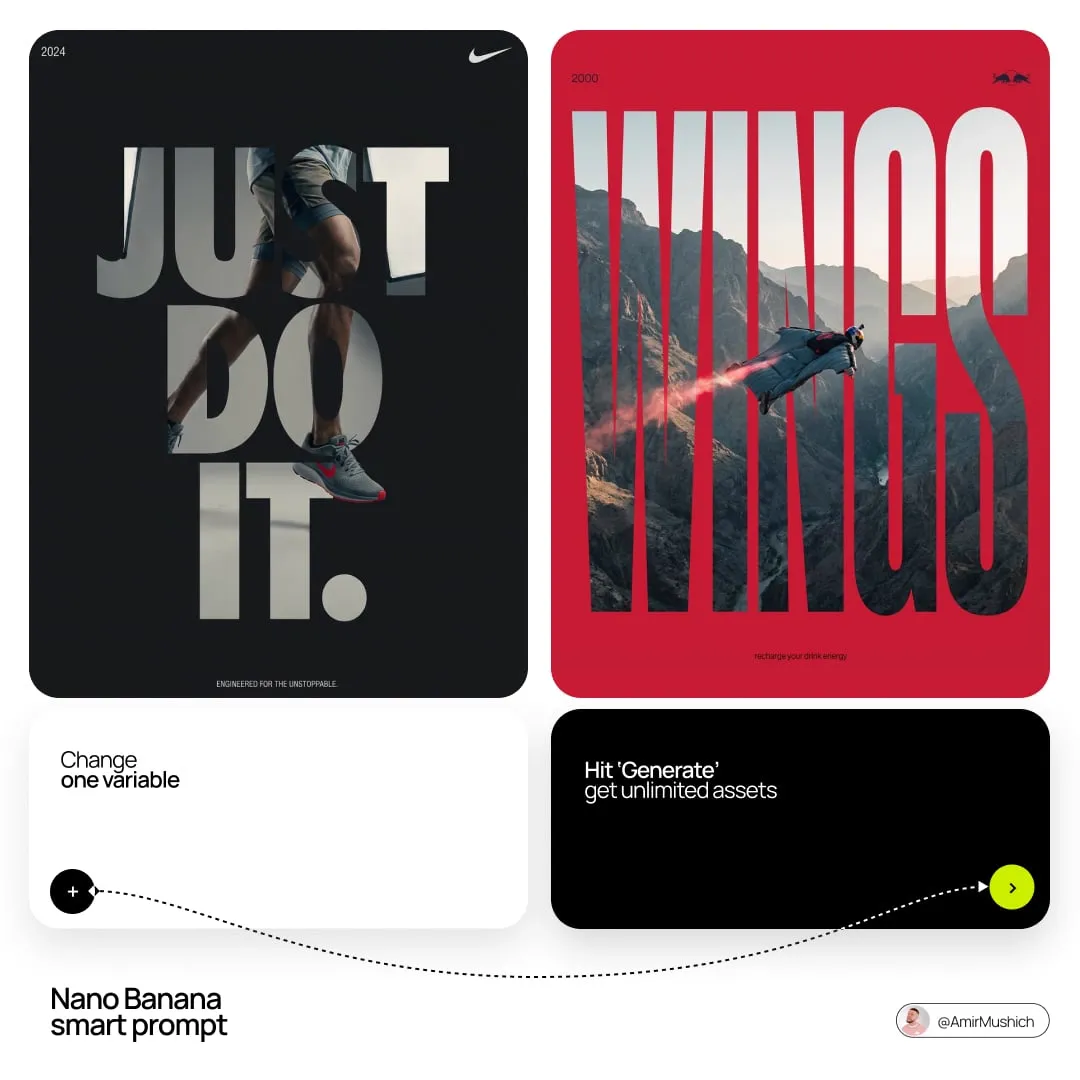
How do I keep a series from feeling repetitive? Change one variable per episode — the camera move, the environment, the color temperature — while keeping the rest fixed. Variation inside a stable format is what keeps a series fresh without losing its identity.
Start generating your next Short with Orelon
The workflow above is deliberately boring: write the hook, plan the shots, generate short, cut hard, caption once, check six things, publish. Boring is what makes it repeatable, and repeatable is what makes a channel grow.
When you are ready to put it into practice, the AI video generator is built for exactly this kind of vertical, idea-first production — cinematic output from a short brief, with room to iterate quickly. Build your first shot bank this week, keep the prompts that worked, and compare your results against the alternatives when you want a different look. Cinematic ideas in motion start with a single sentence and a willingness to render it three times.