



Use AI tools in creative project management to cut coordination overhead: briefs, style frames, shot lists, review gates, and delivery workflows that scale.
Creative projects rarely fall apart because the team ran out of ideas. They fall apart in the space between decisions: a brief that stays fuzzy for eight days, a look that gets rebuilt because the approved reference went missing, a folder full of clips named final_final_v3_actual. AI does not repair that on its own. Pointed at the right layer of a pipeline, however, it strips out a meaningful slice of coordination overhead and hands those hours back to the work that genuinely needs a human eye.
This is a practical map of that layer — where AI helps in creative project management, where it quietly makes things worse, how to hold a visual identity steady across dozens of shots, and how to build a pipeline you can repeat on the next project instead of reinventing it from zero every time.
Why coordination, not craft, drains creative projects
Ask a director, an art lead, or a motion designer where last week went and you rarely hear that the animation was difficult. You hear about the space between decisions: three days waiting on a client note, an afternoon spent rebuilding a shot list from a messy message thread, a fourth round on a visual everyone had already approved in week one.
That overhead lands in four buckets:
- Waiting. Blocked work, unclear ownership, approvals sitting in someone's inbox with no deadline attached.
- Rework. Rebuilding something that was already approved because the reference was lost or the version history was ambiguous.
- Context switching. Jumping between the creative tool, the task board, the chat thread, and the file system to answer one question.
- Documentation debt. Decisions that live in conversations instead of a shared record, so they get re-argued three weeks later with less patience.
AI compresses all four reasonably well, but only when you aim it at the coordination layer rather than exclusively at the pixels. The teams getting the biggest return are not the ones with the flashiest generator. They are the ones who automated the boring edges of the pipeline and kept humans on the judgment calls.
There is a useful diagnostic here. For your last three projects, write down the single moment where the schedule first slipped. It is almost never a rendering problem. It is a decision left implicit, an owner never named, or a reference nobody could find. Once you can name the failure, the tooling question answers itself.
A second diagnostic follows quickly: count how many places the project's truth lives. If the answer is more than two — say a chat thread, a board, a shared drive, and someone's memory — you are paying a tax on every single question. Consolidating to one source of truth is unglamorous and it is usually worth more than anything a generator can add.
Where AI removes load and where it adds risk
Before adopting anything, separate the work into two columns. This rule of thumb holds up across agencies, in-house brand teams, and solo creators.
AI handles well:
- First-draft concepts, thumbnail sets, and moodboard variations
- Turning a long brief or a recorded kickoff call into a structured summary
- Format conversion, aspect-ratio variants, subtitle generation, transcoding
- Status rollups, meeting notes, and change summaries pulled from a task board
- Asset tagging and search across a growing library of clips and stills
- Consistency checks measured against a style sheet that was defined once
AI handles badly:
- Final taste decisions and brand judgment
- Client relationships, negotiation, and scope conversations
- Approving a shot when the brief itself is still ambiguous
- Any situation where a confident wrong answer is expensive to unwind
The failure mode is remarkably consistent. An ambiguous brief goes in, a plausible-looking output comes out, and the team spends a week discovering it solved the wrong problem elegantly. Fixing the intake step is worth more than adding another generator to the stack, because intake is where misunderstanding gets locked in and then defended.
A second risk is volume without direction. When generating options costs almost nothing, it becomes tempting to produce twenty variants and call it progress. It is not. It is deferred judgment, and it moves the decision to the exact moment when everyone is most tired and least willing to argue.
A third risk is subtler: silent standards drift. If three people generate shots with three different prompt habits and no shared vocabulary, the final sequence looks assembled by strangers. Consistency is a process problem long before it becomes a technical one.
The five-stage lifecycle for AI-assisted video work
Most creative projects, from a fifteen-second social cut to a six-part brand series, move through the same five stages. Here is what belongs in each one and where automation earns its place.
Stage one: intake and briefing
Automate the transcript and the structured summary, not the creative direction. Record the kickoff, let AI draft a first-pass brief, then have the creative lead mark it up. The artifact you want at the end is a single page containing objective, audience, deliverables, hard constraints, and a list of open questions. That open-question list is the most valuable thing produced all week, because every unresolved question is a future revision round wearing a disguise.
Stage two: pre-production
This is where AI pays back fastest. Concept boards, style frames, shot lists, and look references can all begin as generated drafts. Use a template so each project starts from the same skeleton, and treat generated imagery as a communication tool rather than finished art. The measure of success at this stage is agreement, not beauty.
Stage three: production
Automate the mechanical parts: variants in multiple aspect ratios, background plates, shot extension, small detail replacement, upscaling, cleanup. Keep one naming convention so nothing disappears between takes. This is also the stage where batch generation keeps visual drift low, because related shots are produced in one session with the same references and the same settings.
Stage four: review
AI can assemble a review cut, summarize a long feedback thread with timestamps, and flag comments that contradict a previously approved decision. It should never be the entity deciding what counts as approved. That responsibility has a name attached to it, always, and the name is not a model's.
Stage five: delivery and archive
Automate metadata, deliverable naming, spec checks, captions, and the archive index. A searchable archive is what lets the next project begin at thirty percent complete instead of at zero. Teams that skip this stage pay for the same asset twice, once in production and once in a confused scramble six months later.
Pre-production in practice: briefs, style frames, and shot lists
A shot list is the cheapest place to catch a misunderstanding. It is also the step most teams skip when the schedule tightens, which is precisely when skipping it costs the most.
Start with style frames, not adjectives
Generate a set of style frames from your written direction. A tool such as Create Image lets you produce and compare visual directions quickly, then discard the ones that miss. The point is not finished art. The point is a shared reference so that "moody but warm" means the same thing to five different people, including the client who will eventually approve or reject it.
A practical tip: generate three directions rather than ten. Three forces a comparison; ten invites paralysis and a meeting that ends with "let's see more options." Name each direction so the conversation can reference it later, for example workshop-window-soft or warehouse-contrast-cool. Named directions survive into week four; unnamed ones dissolve into "the one you sent Tuesday."
Write the shot list as a table before anyone opens a timeline
| Field | Example |
|---|---|
| Scene | 03, workshop, morning |
| Purpose | Establish the craft process |
| Duration | 4 to 6 seconds |
| Camera | Slow push-in, handheld feel |
| Subject | Hands shaping material |
| Light | Window light, soft contrast |
| Audio | Room tone, no voiceover |
| Deliverable | 16:9 master, 9:16 cutdown |
That table does three jobs simultaneously. It forces clarity in the brief, it becomes the production checklist, and it is the document you hand to a client when they ask what changed. When a shot cannot be described in these fields, the problem is the idea, not the tooling.
Keep a shared prompt library
Prompt patterns you reuse across shots — lighting, lens language, movement, grade, grain — belong in one library so the whole team starts from the same vocabulary. A curated set of prompts plus a few templates will save more time than any single feature, because they encode decisions that would otherwise be re-made every session. Review and trim the library quarterly; a library nobody prunes becomes a graveyard nobody opens.
One more habit worth institutionalizing: every prompt in the library gets a one-line note explaining when to use it and when not to. A prompt without a stated use case gets copied into the wrong context and produces confident nonsense.
Keeping visuals consistent across shots and contributors
Inconsistency is the most expensive form of rework in AI-assisted production. A jacket changes color between scene two and scene five. A location reads like a different building after the camera angle shifts. Six social clips each carry their own grade, and the set looks like six vendors made it.
The fix is procedural rather than technical:
- Write a style sheet. Character descriptions, wardrobe, palette values, lens language, grain, aspect ratios. Keep it under a page and version it like code.
- Lock references early. Once a look is approved, that frame becomes the reference for every later shot. Do not improve it mid-project without a change note.
- Use one naming convention. project_scene_shot_take_version beats final_v3_actualfinal. It sounds fussy until week three, when it saves an afternoon of searching.
- Batch your generation. Produce related shots in one session with identical references and settings so drift stays low.
- Run a sequence check. Before review, place approved shots side by side. Problems invisible in isolation become obvious in sequence.
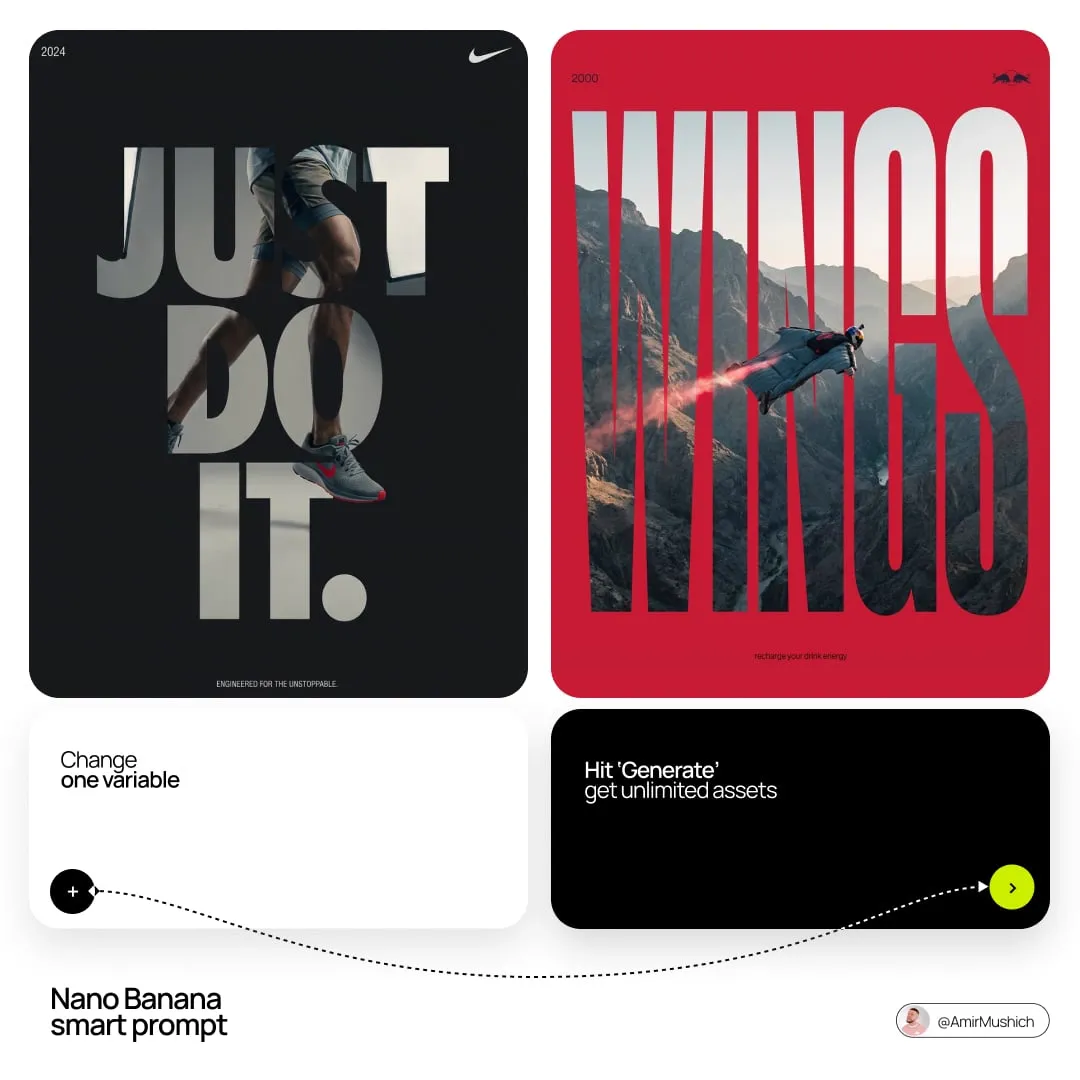
When a shot needs regenerating, change one variable at a time. Altering lighting, framing, and subject together teaches you nothing about which change fixed the problem, and it usually creates two new ones. A useful habit is to write the single variable you are testing in the take name, so the team can see the experiment rather than guess at it. Two weeks of disciplined single-variable testing will teach your team more about your generator than a month of casual experimentation.
There is also a human consistency problem, which no style sheet solves on its own. If three people generate shots independently, agree on who owns the final look decision and route all style questions to that person. Distributed taste is fine for exploration and dangerous for production.
Review gates and approval loops that do not multiply
The classic creative death spiral: three stakeholders, four rounds, no named decision-maker. AI can make this worse by producing more variants for people to argue about. Used carefully, it shortens the loop instead.
Rules that reliably work:
- One decision-maker per gate. Others advise; one person signs.
- Timeboxed review windows. A 48-hour window with a hard close beats an open thread that drifts for a week.
- Batched feedback. Collect comments in one pass instead of streaming them over three days.
- Timestamped comments. Feedback tied to a frame is actionable. "The middle felt slow" is not.
- Explicit kill criteria. Agree in advance what would make you abandon a direction, so ending it is a decision rather than a conflict.
Early motion passes matter more than most teams admit. A moving version of a shot reveals timing and pacing problems that a still frame hides, and finding them before the final render costs a fraction of finding them after. Generating a rough motion pass with Create Video early in the schedule is one of the highest-leverage habits in an AI-assisted pipeline, provided the rough pass is clearly labeled as such and never mistaken for a finished deliverable.
Labeling matters more than it sounds. When a rough pass is delivered without a clear status, clients evaluate it as final work and give notes on the grade instead of the pacing. A single line in the filename — rough, animatic, nearfinal — prevents an entire category of misdirected feedback.
Choosing tools: criteria that predict real-world fit
Every platform demos well. Differences show up in week three of a real project.
| Criterion | What to check |
|---|---|
| Output fit | Does it match your format and quality bar without heavy fixing? |
| Iteration speed | How fast is one revision, not one first draft? |
| Consistency controls | Can you hold a character, location, or style across shots? |
| Review features | Versioning, comments, approvals, shared libraries |
| Collaboration | Multiple hands, clear permissions, no duplicated files |
| Export specs | Aspect ratios, codecs, frame rates, captions |
| Integration | Does it complement your board and storage, or replace them? |
| Switching cost | What happens to your library if you leave? |
Start with the criterion that caused your last project to slip. If rework was the problem, prioritize consistency controls. If approvals were the problem, prioritize review features. If handoff was the problem, prioritize export specs and metadata. A broad comparison of alternatives is only useful once you know which column actually matters for your team, because every tool is excellent at something you may not need.
Two more practical filters. First, ask how the tool behaves with a ten-shot sequence rather than a single hero shot, since sequences are where consistency breaks. Second, ask what the export path looks like for a 9:16 cutdown of an already-approved 16:9 master, since vertical deliverables are now the default request and the worst place to discover a limitation.
A third filter is quieter but decisive: how does the tool behave when you revisit a project after two weeks? If reopening a sequence requires reconstructing settings from memory, you will eventually stop revisiting anything, and your archive becomes a museum rather than a resource.
Common mistakes and a worked nine-day project
Eight mistakes that quietly add the work back
- Automating before standardizing. If two people do a task two ways, automating it produces two kinds of mess faster.
- Generating variants as a substitute for a decision. Ten options is not progress; it is deferred judgment.
- No naming convention. Version confusion causes more rework than any technical limitation.
- Skipping the style sheet. Without it, consistency depends on memory, and memory depends on who is on holiday.
- Letting the tool drive the brief. The brief defines the output, not the other way around.
- Measuring output volume. Clips produced is not a metric. Approved deliverables on schedule is.
- No archive. If the next project cannot find this project's assets, you paid for them twice.
- Delivering rough passes as final. Unlabeled status guarantees feedback aimed at the wrong layer of the work.
Worked example: a ninety-second product film in nine days
A small team of four — a director, an editor, a producer, and one designer — working with a live-action shoot plus generated inserts.
| Day | Focus | AI-assisted work |
|---|---|---|
| 1 | Brief | Transcribe kickoff, draft the one-page brief, list open questions |
| 2 | Look development | Generate style frames, lock the reference set |
| 3 | Shot list | Build the table, assign owners, confirm deliverable specs |
| 4 to 5 | Production | Shoot practical footage, generate inserts in matched style |
| 6 | Assembly | Build a rough motion pass, check timing before final render |
| 7 | Review | One gate, one decision-maker, batched timestamped notes |
| 8 | Revisions | Address notes one variable at a time, sequence check |
| 9 | Delivery | Master, cutdowns, captions, metadata, archive index |
The schedule itself is not the interesting part. What matters is that days one through three were protected. Every hour spent clarifying the brief and locking the look saved several hours in the back half, which is exactly where AI-assisted pipelines usually blow up. When a project of this shape runs late, the cause is nearly always a skipped day three.
Consider what happens when that protection fails. A team skips look development, generates inserts across four sessions with drifting references, and discovers on day eight that twelve of the eighteen generated shots do not match. The fix is not a better generator. The fix is a locked reference frame that existed on day two and was ignored.
FAQ
Does AI replace a producer?
No. It replaces the clerical layer of the producer role: status chasing, note transcription, spec checking, archive tagging. Judgment, negotiation, and problem-solving stay human, and they get more time once the clerical layer is handled.
What should a small team automate first?
Start with the highest-frequency, lowest-risk task. Usually that is intake summarization plus a single source of truth for status. Both are cheap to set up, both reduce context switching immediately, and neither can damage the creative output if it goes wrong.
How do you keep AI-generated visuals consistent?
Write a style sheet, lock an approved reference frame, generate related shots in the same session, use one naming convention, and run a sequence check before review. When regenerating, change one variable at a time and record which variable you tested.
How many review rounds should a project have?
Two is usually right: one on the rough pass, one on the near-final. More rounds typically mean the brief was unclear or the decision-maker was unnamed, not that the work needed more iterations.
When is AI the wrong choice?
When the brief is ambiguous, when the output is a final legal or brand-critical asset, or when the team has not agreed on a standard process. Fix those conditions first and the same tools will work dramatically better afterward.
How do you measure whether the workflow is actually working?
Track three numbers: cycle time from approved concept to approved delivery, number of revision rounds per deliverable, and hours spent in coordination meetings. If those three move in the right direction, the stack is earning its place. If they do not, the tool is not the problem.
Do generated visuals need to be disclosed?
It depends on your market, your client, and the platform hosting the final work. Decide the policy once, write it into the brief template, and apply it consistently across campaigns rather than re-deciding per deliverable. Consistency is easier to defend than improvisation.
What is the single highest-leverage change for most teams?
Protecting pre-production. A one-page brief, three named style directions, and a shot list table cost roughly a day and routinely save three to five days of rework downstream. Nothing else in the pipeline has that ratio.
Put the saved hours back into the story
The purpose of automating creative project management is not to produce more content. It is to spend less time on logistics and more time on the decisions that make the work good: the framing, the pacing, the moment that lands with an audience.
Build the skeleton once. A one-page brief, a locked style sheet, a shot list table, one board, one review gate, one archive. Then hand the repetitive parts to your tools and keep the judgment calls where they belong — with people who can be held to a decision and who can explain it six months later.
When you are ready to see how cinematic ideas move, start creating with Orelon and keep the pipeline focused on the story instead of the admin.