
Learn a repeatable AI short-form video workflow for YouTube Shorts, TikTok, and Reels: hooks, pacing, captions, sound, and publishing at scale.
Short-form video stopped being a side experiment a long time ago. It is now the main discovery surface for most creators, and the pressure it creates is not creative — it is operational. A single strong clip is easy to imagine. Twenty strong clips a month, each with a different hook, a clean look, and audio that survives phone speakers, is a production problem.
That is where AI video generation actually helps. Not as a magic button that spits out viral clips, but as a way to collapse the slowest parts of the pipeline: shot coverage, background plates, b-roll, stylized transitions, and alternate visual treatments for the same script. The creators who win with it treat generation as one station on an assembly line, not as the whole factory.
This guide walks through a workflow you can repeat weekly: how to structure a short, how to prompt for usable vertical footage, how to handle sound, how to batch, and how to tell whether any of it is working.
Why short-form rewards systems, not one-off ideas
Most creators stall because they optimize for the individual video. They pour everything into one short, it underperforms against expectations, and momentum dies. The accounts that grow steadily do the opposite: they accept that a percentage of posts will flop and they build a process that keeps output steady regardless of mood, time, or inspiration.
A working system has four properties. It is fast enough to run on a normal week. It produces a recognizable visual identity. It can absorb a bad idea without wasting a day. And it learns — every post generates data you can reuse.
AI generation supports all four when you use it deliberately. Need twelve different opening frames to test which hook reads best? Generate them. Need a stylized b-roll sequence for a talking-head script? Generate it instead of hunting stock. Need a version of the same concept with a warmer color grade for Reels and a punchier one for Shorts? Generate both and compare.
The failure mode is using generation to avoid decisions. Infinite variations feel productive and produce nothing. Cap your options: two or three per shot, then commit.
The anatomy of a short that holds attention
Engagement in vertical video is not driven by production value alone. It is driven by the rate at which the viewer receives new information and the cost of leaving.
The first second decides the rest
A viewer scrolling a feed makes a stay-or-leave decision almost instantly. The opening frame has to answer three questions without words: what am I looking at, why does it matter, and what changes next? A face in motion, an unusual object, or a visible before/after all work. A slow zoom on a logo does not.
Practically, start mid-action. If your clip opens on someone sitting down, cut the sitting down.
The middle has to escalate
Shorts under a minute usually hold attention when each beat is slightly bigger or more specific than the last. Repeating the same energy for thirty seconds reads as padding. Write your script in beats — four to seven for a thirty-second clip — and give each beat one job.
The loop is free retention
If the last frame flows back into the first, replays go up, and replays are one of the strongest signals a short can produce. Ask yourself: does the final line set up the opening line? Does the last shot visually rhyme with the first?
A repeatable AI short-form video workflow
The pipeline below takes about two to three hours for a batch of five shorts once you are comfortable with it. Doing it per video, from scratch, takes far longer.
Step 1: Write beats, not scripts
Draft the idea as five to seven one-line beats. Each beat should imply a visual. If a beat cannot be shown, rewrite it until it can, or move it to voiceover.
Step 2: Build a shot list with roles
Label every shot by function: hook, context, demonstration, contrast, punchline, loop-back. This matters because different roles have different generation requirements. A hook shot needs motion and a clear subject. A context shot can be calmer and more atmospheric.
Step 3: Generate coverage, not finished shots
Generate two or three options per role rather than ten. Use the AI video generator for motion shots and a still-first approach for anything that will be heavily texted over. Still images generated in an AI image generator are cheap to iterate and can be animated later, which is often faster than re-prompting video until it behaves.
Step 4: Treat sound as a first-class track
Choose the voice or the music bed before you edit. Cutting to a track produces better pacing than cutting in silence and adding audio afterwards. More on this below.
Step 5: Assemble to a fixed template
Keep a project template with your caption style, safe margins, intro cadence, and export settings. Rebuilding the same structure every time is where hours vanish. Reusable video templates solve the same problem at the generation stage, especially for recurring formats.
Step 6: Publish and log
Record the hook type, length, audio choice, and retention result for each post in a simple sheet. Patterns appear within a few weeks.
Prompting for cinematic vertical clips
Generation quality is mostly a prompting discipline. Vague prompts produce generic footage that looks like everyone else's. Specific prompts produce something you can build an identity around.
A prompt skeleton that works
Describe the subject, the action, the camera, the light, and the format. For example: “close-up of a ceramicist's hands shaping wet clay, slow lateral dolly, warm window light from the left, shallow depth of field, vertical 9:16 framing, muted earth tones.”
That structure gives the model a subject it can render, a motion it can execute, and a mood it can match. Compare it to “pottery, cinematic, beautiful,” which gives the model nothing to hold onto.
Keep a style anchor
Pick three or four descriptors you reuse across every clip — a lens feel, a color palette, a lighting direction. Consistency between clips is what makes a channel feel intentional, and it is much cheaper to enforce through prompts than through post-production grading.
What to avoid
Avoid prompts that require impossible continuity, such as complex hand interactions across many frames. Avoid stacking six competing actions in one shot. And avoid overloading with style words; three strong ones beat ten weak ones. If you are stuck, a prompt library is a faster starting point than a blank field.
Composition, motion, and text-safe zones
Vertical framing fails for a mundane reason: people compose for landscape and then crop. Generate in 9:16 from the start and place the subject slightly above center, because lower thirds and captions will occupy the bottom quarter.
Motion should be deliberate. A single direction of movement — a push in, a lateral slide, a handheld drift — reads as intentional. Multiple competing motions read as noise. If a shot involves a person, keep them moving; static figures look like stock footage.
Leave vertical space for captions and platform UI. Test your exports with the interface overlay visible, not just in the editing timeline.
Sound design decisions nobody makes on purpose
Audio is the fastest way to make a generated clip feel real, and the fastest way to make a good clip feel cheap.
Voice: if you use synthetic narration, keep sentences short and avoid long numbers. Tune speed slightly faster than conversational; short-form viewers tolerate pace but not drag. If you narrate yourself, record in a smaller room with soft furnishings and treat the audio with light compression rather than heavy noise reduction, which creates artifacts.
Music: pick a bed that leaves space in the frequency range of the voice. If you are layering music under narration, use instrumentals with restrained high mids. Match the music change to your beat structure so timings feel composed rather than accidental.
Silence: a half-second of near-silence before a punchline is one of the cheapest retention tools available. Use it once per video, not three times.
Loudness: normalize exports to a consistent level so followers do not adjust volume between your posts.
Batch production: a week of Shorts in one sitting
Batching is where AI generation pays for itself. Instead of generating, editing, and publishing one video at a time, split the work into passes.
Pass one, ideas: list ten premises in thirty minutes. Do not judge them yet. Pass two, beats: convert the best five into beat outlines. Pass three, generation: run all visual generation in one session, using the same style anchor and format settings. Pass four, audio: record or generate all narration in one sitting so your voice and pacing stay consistent. Pass five, edit: assemble all five videos before publishing any of them. Pass six, publish and log: schedule, then record hooks and results in your tracking sheet.
This sequencing reduces context switching, which is the real cost of small-batch production. It also makes comparison easier: when five videos share a style but differ in hook, you learn something about hooks rather than about noise.
On tracking: retention graphs, average view duration, and rewatch rates tell you more than likes. If average view duration drops sharply at second three, your hook is slow. If it drops at second twelve, your second beat is not earning its place. If views are low but retention is high, the problem is packaging, not the video.
Common mistakes that flatten retention
- Opening on a title card. Nobody waits for a logo. Start with a shot.
- Over-explaining. If the visual already communicates it, cut the sentence.
- Inconsistent look. Varying lighting, palette, and lens feel between clips makes a channel feel random.
- Captions that fight the footage. If captions and visuals compete for the same space, simplify one of them.
- Ignoring platform disclosure norms. Most major platforms expect synthetic or heavily altered media to be labeled where relevant; check current guidance for YouTube Shorts and TikTok before publishing AI-generated content at scale.
- Treating one clip as a verdict. Five posts is a sample. One post is an anecdote.
- Reusing the same audio bed for months. Familiarity is comforting and also boring; rotate beds while keeping the style anchor.
FAQ
How long should an AI-generated short be?
Start between 15 and 35 seconds. Shorter videos are more likely to be replayed in full, and full replays are stronger signals than partial views. If a concept genuinely needs 60 seconds, structure it as two shorts rather than one long one.
Can generated footage look professional enough for a real channel?
Yes, if the shots are used with intent. The clips that look amateur are usually the ones doing too much — many subjects, many motions, many style words. Restrained prompts, consistent grading, and good audio cover a lot.
Do I still need to edit after generating?
Yes. Generation gives you material; editing gives you rhythm. Even a light pass — trimming the first frames, aligning cuts to the music, adding captions — measurably improves retention.
How do I stop my videos from all looking the same?
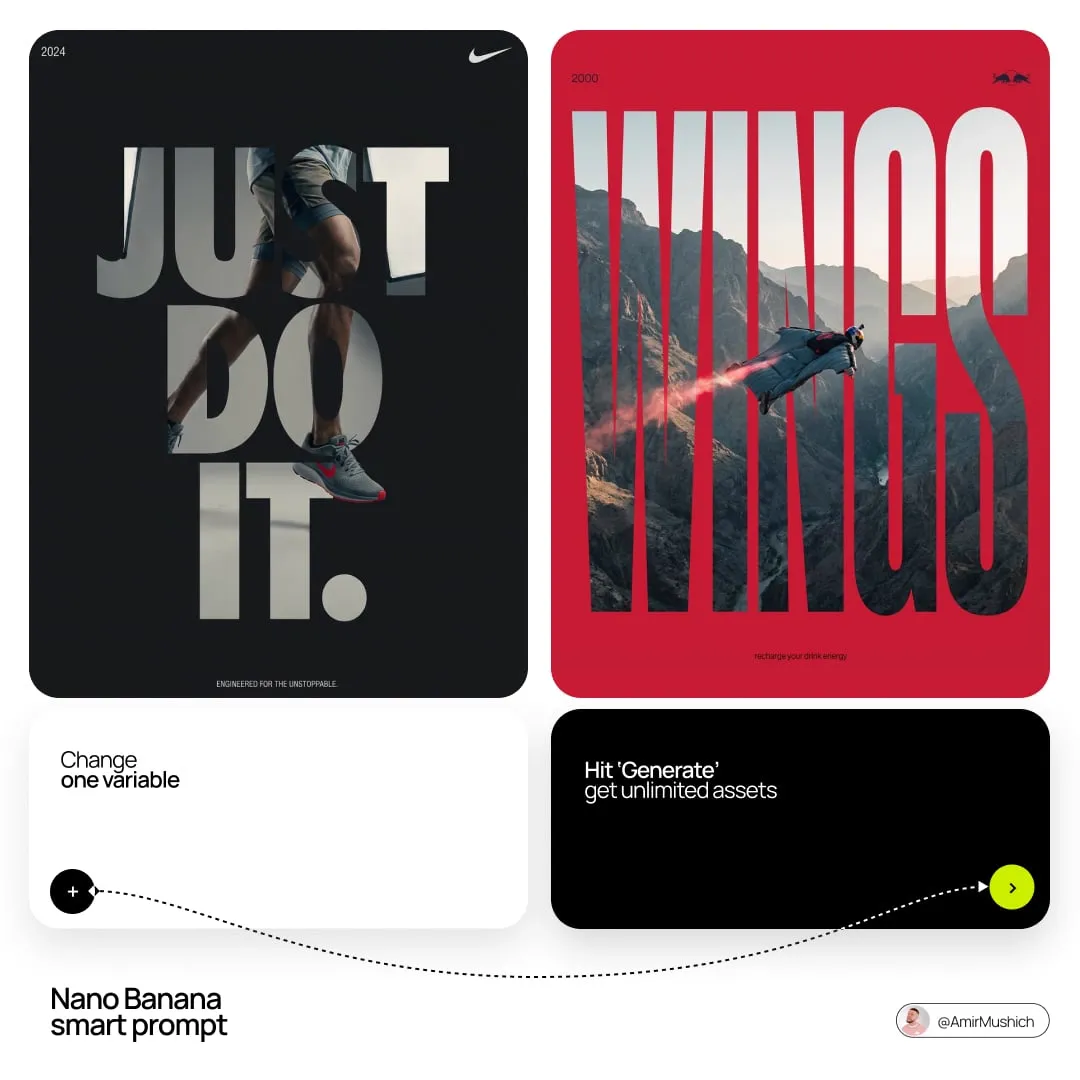
Vary one variable at a time: hook type, subject matter, or pacing. Keep the visual identity constant. Changing everything at once makes it impossible to know what worked. If you are comparing generation approaches, AI video generator alternatives is a reasonable place to check how different engines handle motion and consistency.
Should I post the same video to Shorts, TikTok, and Reels?
Cross-posting works, but export separately. Crop and caption placement differ, and watermarked exports from other platforms are penalized by some feeds. Keep clean masters for each destination.
How many shorts should I publish per week?
Three to five is a realistic sustainable cadence for a solo creator using this workflow. Consistency matters more than volume; a schedule you can hold for three months beats an aggressive one you abandon in two weeks.
Start generating with a system, not a wish
The difference between creators who grow and creators who burn out is rarely talent. It is whether their process survives a busy week. Build the beats, keep a style anchor, batch your generation, treat audio as a first-class track, and log what happens. The output compounds.
When you are ready to put the workflow into practice, start in the Orelon AI video generator, borrow a structure from the templates gallery, and keep your first batch deliberately small. Five shorts, one style, one tracker. Then iterate on the data instead of on your mood. You can also browse the Orelon blog for more workflow breakdowns as your format matures.