
Learn how to combine After Effects templates with AI video generation for cinematic, brand-safe projects. Build reusable workflows, prompts, and review gates.
The pressure in high-end video production is not a lack of ideas. It is the need to deliver cinematic quality on a schedule that leaves no room for rebuilding every frame from scratch. After Effects templates turn motion, typography, timing, and transitions into reusable systems. AI video generation produces shots, textures, and variations that would be expensive to shoot. The best results come from combining both: templates as the control layer, AI as the raw material.
Why templates still matter in an AI video pipeline
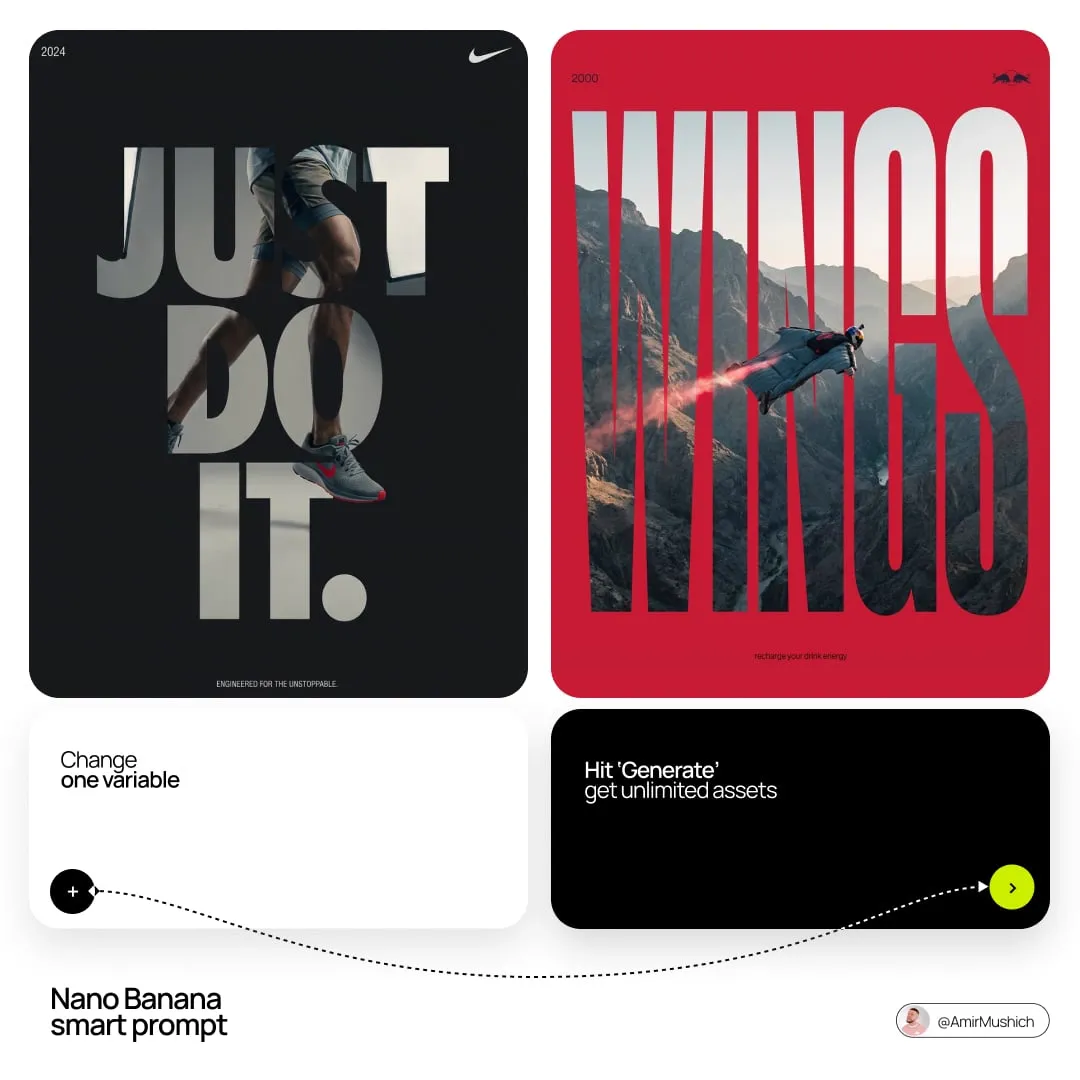
AI models are probabilistic. The same prompt can return a different camera move, color temperature, or facial expression on every run. Templates are deterministic. They define what stays fixed and what can change, which is exactly what a brand, campaign, or episodic series needs. When a client asks for the same opening sequence with a new product color, a template lets you change one variable instead of rebuilding the entire look. When a campaign needs five social cuts, a template keeps the visual system intact while AI fills the slots with fresh imagery. Use templates when you need repeatability, approval speed, and a clean handoff. Use pure generation when you are exploring a mood, testing a concept, or creating a one-off visual that no one needs to reproduce.
A practical way to decide is to ask three questions. Does the shot need to be approved by legal, brand, or a client? Will it appear in more than one cut? Does it need to match an existing visual system? If the answer is yes to any of these, a template should own the structure. AI should fill the variable content, not define the rules.
The anatomy of a cinematic After Effects template
A high-end template is not a single composition with a few text layers. It is a small system.
Timing and rhythm
Cinematic timing comes from contrast: long establishing beats, quick detail cuts, deliberate pauses before the logo. Build these beats into the template as markers, not guesses. AI shots can then be trimmed to the same rhythm instead of forcing the edit to adapt to whatever the model produced.
Typography, color, and grade
Type should feel like part of the scene. Match tracking, weight, and animation style to the camera language. Handle color in two places: a base grade that unifies every AI plate, and a brand layer that keeps the palette recognizable. Apply the template's LUT or adjustment layer after the AI assets are conformed so the final look is consistent.
Transitions and sound design
Transitions carry meaning. A whip pan says urgency. A match cut says connection. A slow dissolve says memory. Sound design reinforces those choices. Even a simple template should include room tone, whoosh, impact, and music ducking placeholders so the edit feels finished before the final mix.
Parameter design
Expose only the controls an editor needs: duration, color, text, logo, and media slot. Lock everything else. Too many options create inconsistency; too few create rigidity. The goal is a template that a non-specialist can operate without breaking the look.
A practical AI-to-template workflow
Step 1: Lock the narrative spine
Write the story in beats before you open After Effects or an AI generator. A thirty-second brand film might use opening mood, problem, product reveal, proof, and call to action. Assign each beat a duration range and a job. This spine becomes the contract for both the template and the AI shots.
Step 2: Build or adapt the template rig
Start with a master composition at the delivery resolution. Create placeholders for every AI asset. Decide which shots will be generated, which will be stock, and which will be motion graphics. Use precomps for repeated elements such as lower thirds, product frames, and end cards. Name every layer clearly.
Step 3: Generate AI plates for defined slots
Generate to the slot, not to the edit. If a slot needs a slow push-in on a product against a dark background, prompt for that specific movement, lens, and lighting. Generate several variations and choose based on how well they cut with neighboring slots. For each slot, save the prompt, seed, and reference image so the look can be recreated later. For consistency, generate with the same aspect ratio, frame rate, and color space as the template. Generate a clean plate for every graphic-heavy slot. If a shot will sit behind text, prompt for negative space. If a shot will be cropped for vertical, generate with extra headroom. These small choices prevent a compositing session from turning into a rescue mission.
Step 4: Conform, composite, and grade
Import the selected AI clips, set the correct frame rate, and conform them to the timeline. Use the template's adjustment layers to unify grain, color, and contrast. If an AI shot has unstable edges, use tracking and roto to integrate it with graphic elements. Where motion blur or depth of field looks artificial, add subtle effects rather than overcorrecting.
Step 5: Review at three gates
Gate one: story and shot selection. Gate two: motion, timing, and typography. Gate three: color, sound, and delivery specs. Reviewing at gates prevents late-stage changes that force you to rebuild the template.
Matching AI generation to template slots
Establishing shots
Establishing shots need atmosphere more than detail. Prompt for wide framing, natural light, and slow camera movement. A template can add titles or location graphics over these shots, so leave negative space in the composition.
Product and detail shots
Product shots need controlled lighting and consistent geometry. Generate them with a locked camera or a simple orbit. Use the template's product frame to crop and animate them. Keep reflections and highlights consistent across every product slot.
Transitions and textures
AI is excellent at textures: smoke, ink, light leaks, paper, and abstract motion. Generate these as short clips with clean edges. In the template, blend them with screen or add modes to hide seams. A texture library can make a simple edit feel expensive.
End cards and lower thirds
Do not generate text with AI. Generate the background plate, then place real text in After Effects. This keeps names, legal lines, and calls to action crisp and editable.
| Slot type | Prompt focus | Template treatment | Common pitfall |
|---|---|---|---|
| Establishing | wide frame, atmosphere, slow move | titles, location graphics | too much detail crowding text |
| Product | locked geometry, controlled light | product frame, tracking | shifting reflections across cuts |
| Texture | clean edges, short duration | blend modes, speed ramps | seams from busy backgrounds |
| End card | simple background plate | live text, logo animation | generated text that cannot be edited |
Prompting for template compatibility
Reverse-prompt from the template
Start with the template's visual requirements. If the slot needs a 35mm lens, shallow depth of field, and warm practical lights, write that into the prompt. Reverse-prompting means describing the shot that will fit the edit, not the shot that looks best in isolation. Include camera height, movement, and subject placement so the AI output respects the composition.
Continuity constraints that survive edits
Continuity is fragile when every shot comes from a different generation. Use a consistent color palette, lighting direction, and lens language across prompts. Add constraints such as 'same wardrobe,' 'same time of day,' or 'same location geometry' when the scenes are meant to belong together. If a character appears more than once, generate a reference image and reuse it.
Naming and versioning AI assets
A simple naming system saves hours. Use project, scene, slot, version, and seed. For example: campaign-a-scene-02-product-push-v03-seed4821. Store prompts next to the assets in the project folder. When a stakeholder asks for a different pace, you can regenerate the same shot with a longer camera move instead of starting over.
Post-production integration without a pipeline rebuild
You do not need a new pipeline for every AI project. Keep the familiar post-production structure: project folders, proxy media, master comps, and delivery templates. Add an AI assets folder with prompts, references, and approved selects. Use Dynamic Link or export intermediate files for heavier composites. If the team already works in Premiere Pro, build the template there and use After Effects for complex graphics. If the team works in After Effects, use Essential Graphics to make text and color controls accessible. The template remains the source of truth for timing and branding, while AI assets remain replaceable parts.
Color management deserves special attention. AI clips often arrive with inconsistent white balance and contrast. Set the project to a known color space, normalize each clip with a base correction, then apply the template grade. If you are delivering in HDR, test the AI footage early because generated highlights can clip in ways that are hard to recover.
Common mistakes that break cinematic consistency
- Generating too many shots and trying to edit them into a story. A smaller set of intentional shots usually looks more expensive.
- Ignoring lens and grain. AI clips from different prompts can feel like different films. Apply a unifying grade, grain, and subtle lens distortion.
- Using AI for text. Generated letterforms wobble and date the project. Keep typography native.
- Forgetting sound. Silence makes even a beautiful template feel like a slideshow.
- Over-animating. High-end motion is often restraint. Let the shot breathe before the next graphic enters.
- Skipping versioning. If you cannot find the prompt that made the approved shot, you cannot revise it cleanly.
- Treating the template as a cage. The best templates are flexible systems with clear rules, not rigid timelines.
- Mismatched frame rates. AI tools sometimes export at 24, 25, or 30 fps. Conform before you edit, or you will fight stutter and motion blur.
Scaling from one project to a reusable library
Once a project works, extract the repeatable parts. Save the master timeline, text styles, color presets, transition package, and sound design beds. Group them by use case: product launch, brand story, event recap, social teaser, and end card. Create a short operating guide for each template family. The guide should explain what can change, what must stay fixed, and what to check before delivery. Over time, your library becomes a competitive advantage because you can pitch a cinematic treatment and show a realistic path to production.
Document the template with a one-page PDF. Include screenshots of the controls, delivery specs, and three approved examples. That page becomes the onboarding material for new editors and freelancers.
Choosing tools without losing creative control
Choose tools that support the template workflow, not tools that replace it. Look for frame-accurate exports, consistent aspect ratios, image-to-video options, and enough control over camera movement. If you are comparing platforms, these Orelon alternatives pages can help you map the differences: Orelon vs Runway and Orelon vs Kling AI. The right tool is the one that gives you repeatable results inside your edit. Test every new model against the same five-shot template before you trust it on a client project.
FAQ
Can AI video replace After Effects templates?
No. AI generates raw material. Templates provide structure, brand control, and repeatability. You need both for high-end work.
How many templates should a small studio maintain?
Start with three: a brand story, a product launch, and a social teaser. Add more only when a repeated client need appears.
Do I need motion graphics skills to use this workflow?
Basic After Effects skills help, but a well-built template can be operated by an editor. The key is to lock the design and expose only safe controls.
How do I keep AI shots from looking inconsistent?
Use a shared color palette, lens language, and lighting direction. Generate references, apply a unified grade, and add grain and subtle effects across all shots.
What is the fastest way to test an AI model for template use?
Generate the same five shot types: establishing, product, texture, transition, and end card background. If the outputs cut together with minimal correction, the model fits your pipeline.
Can I use AI video with existing After Effects projects?
Yes. Treat AI clips as source footage. Import them, conform them, and place them inside your existing template slots. The template keeps the edit consistent even when the underlying shots come from a generator.
Build your next cinematic sequence with Orelon
Templates give your project structure. AI gives it range. Orelon is built for cinematic ideas in motion, so you can generate the plates, textures, and hero shots that fill your template slots without leaving the creative flow. Start with the AI video generator, explore video templates, and use the prompt library to keep every shot aligned with your edit. When you are ready to compare workflows, visit the Orelon blog for more production guides.